Date
From October 01, 2024 to February 28, 2025
Area / Gallery
Sculpture Courtyard
Tu imagen se borrará, pero nunca se la llevará el viento is a monumental installation by Isaac Olvera that presented a variation in 2017 in London, now acquires other readings with an additional wig in its new venue.
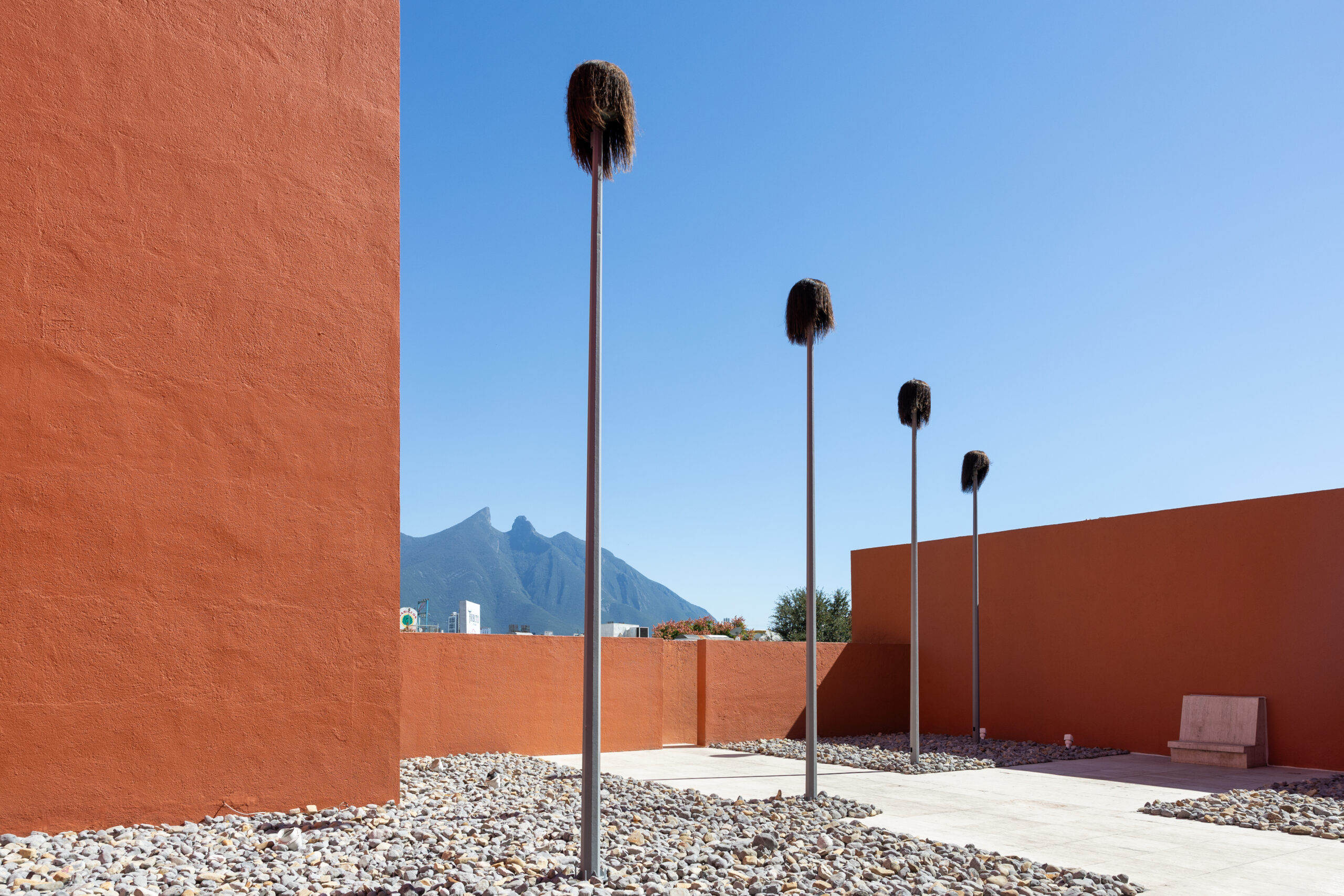
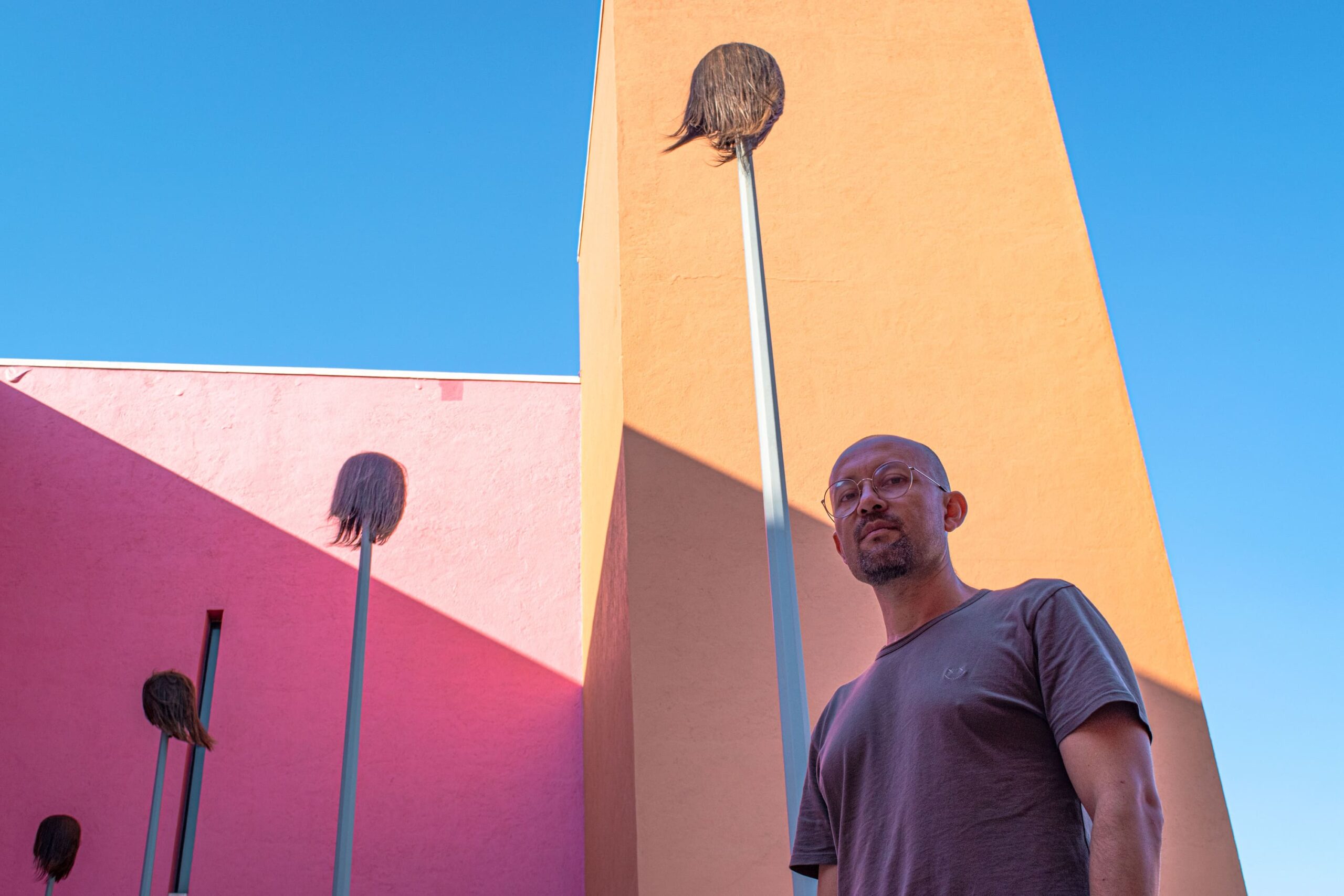
The work is composed of five light poles, each with an oversized wig on top. Installed diagonally in Patio de las Esculturas, the poles visually point in the direction of Cerro de la Silla, an iconic mountain in the city of Monterrey. Also, because of its dimensions, the work is integrated into the landscape as it is visible from the outside of the site.
The central axis of Olvera’s production is performance art. In his process, Olvera’s actions are based on texts that he writes himself, which he sometimes integrates into the action itself. And as a consequence of the performances, the artist creates sculptural objects or artistic pieces that derive from those actions.
The monumental installation on view at MARCO is the result of Olvera’s research into Natasha Fuentes Lemus (1974-2005), which began several years ago when he heard the poem “Natasha and I” by writer Francisco Jaymes recited on buses in Mexico City. Throughout his search, the artist has recovered the voices of people who knew the muse of that poem, who came from a family of intellectuals, and has discovered her as a character who negotiated with power, and who traveled through different spheres, from the elite to marginalized and countercultural places. The testimonies she has found range from street book sellers in the Tianguis La Lagunilla, a historic market in Mexico City, to the scarce mentions of her in books.
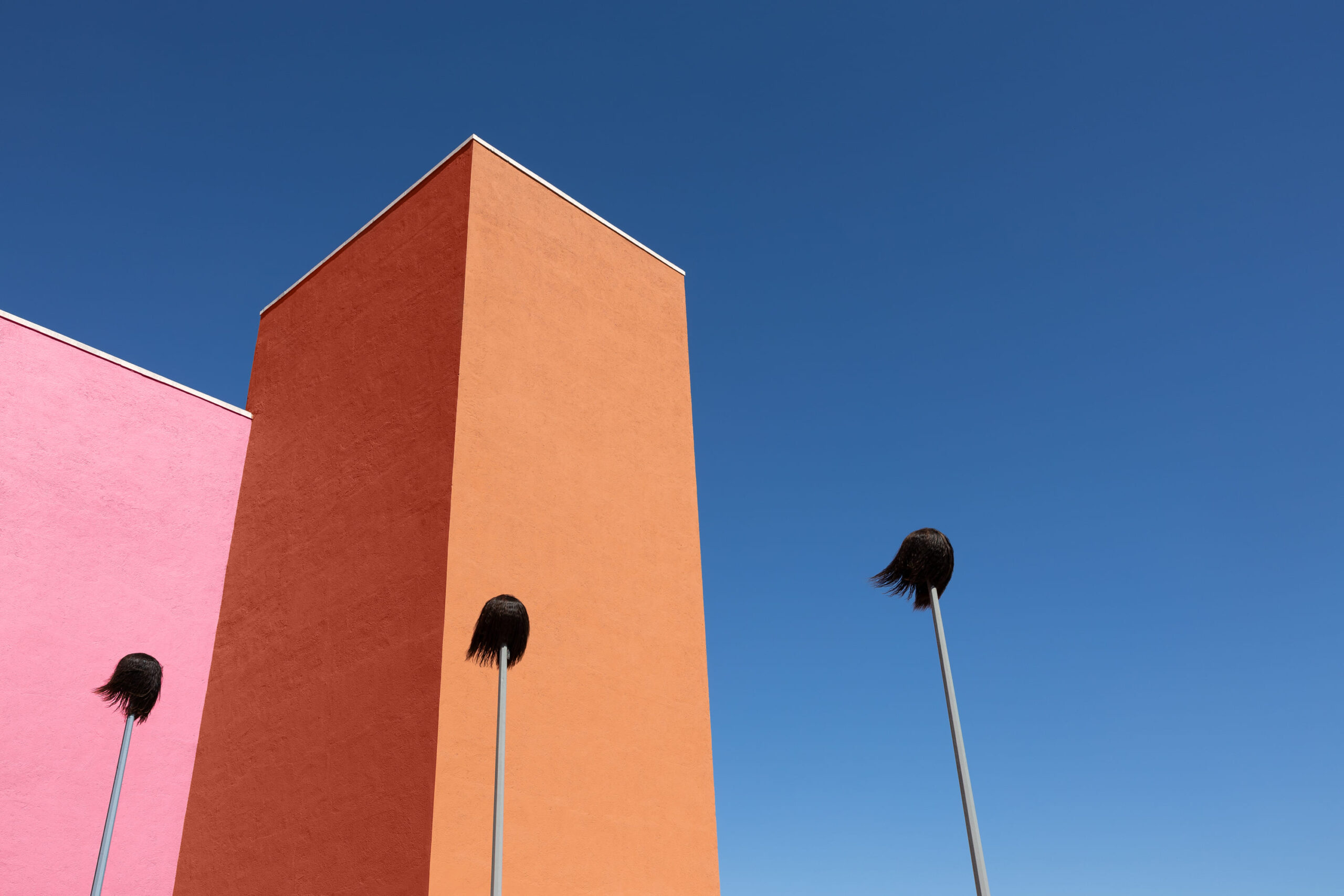
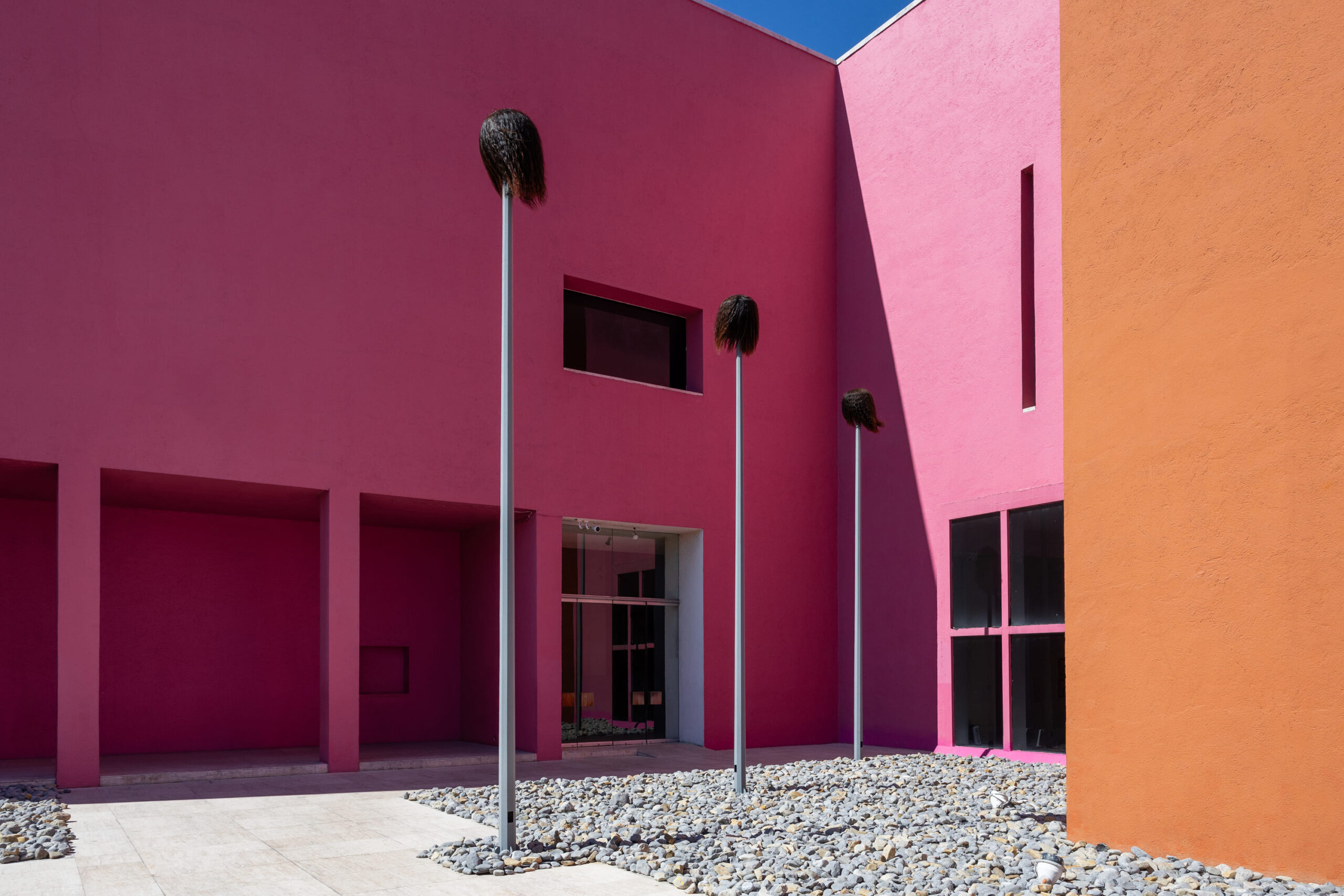
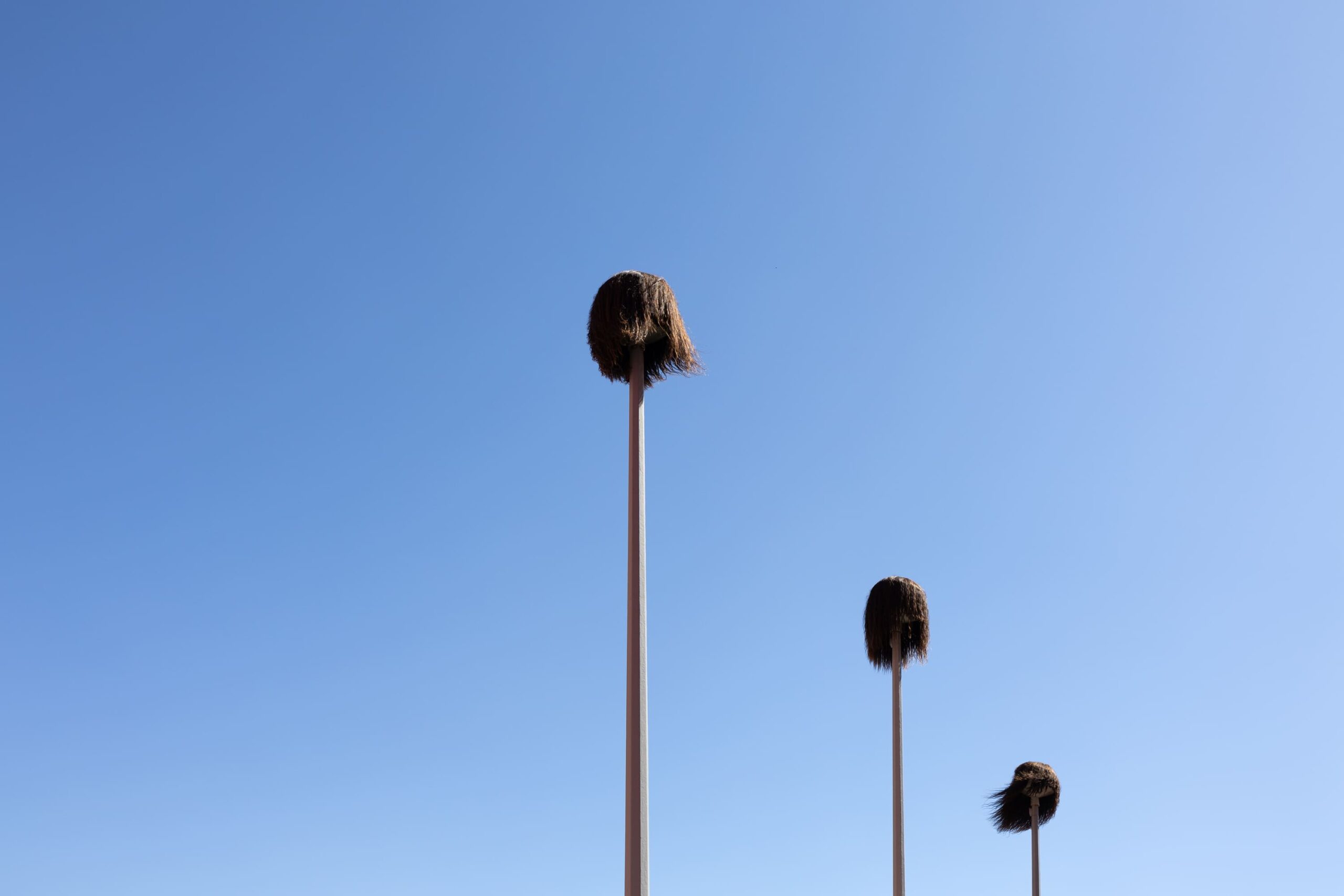

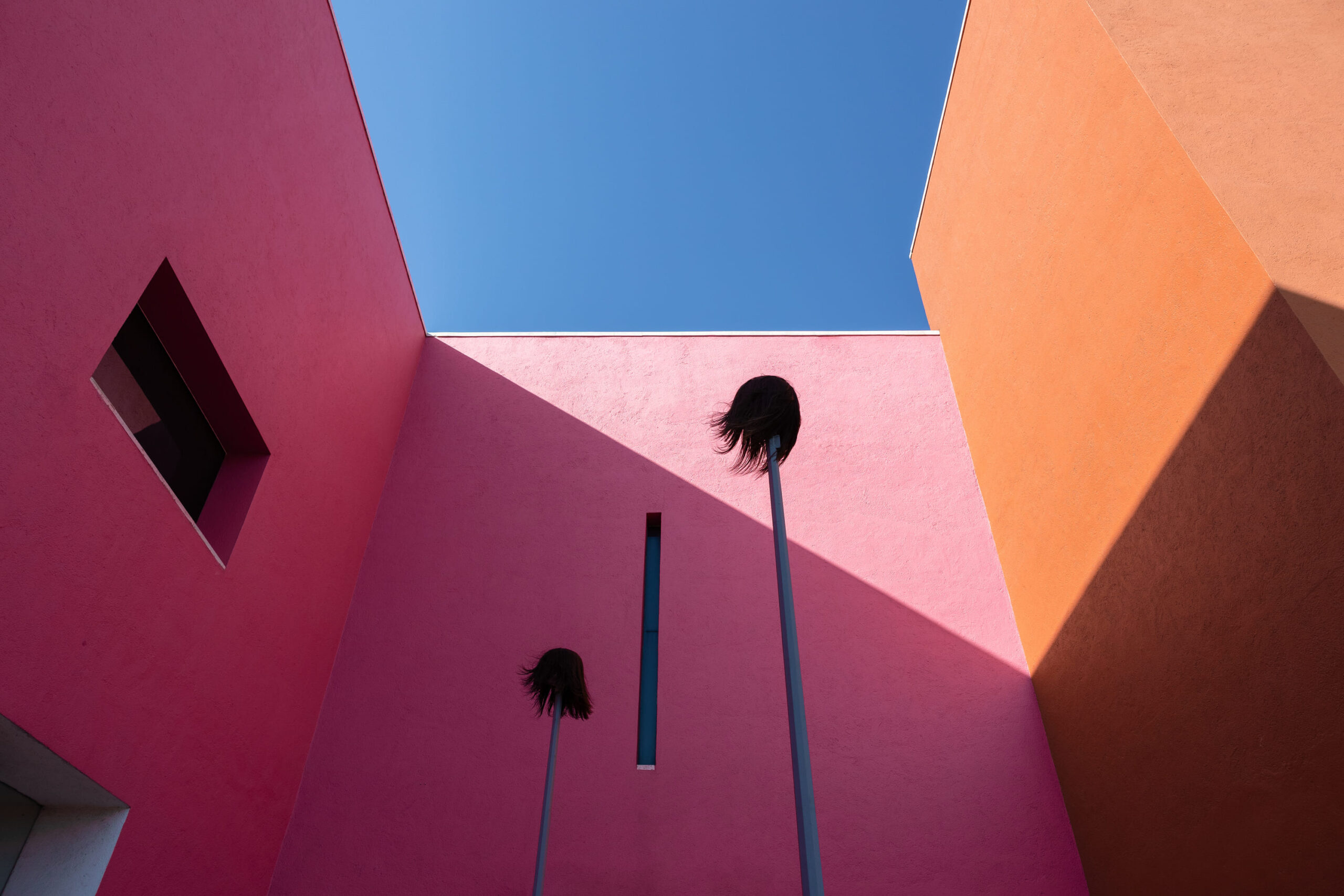
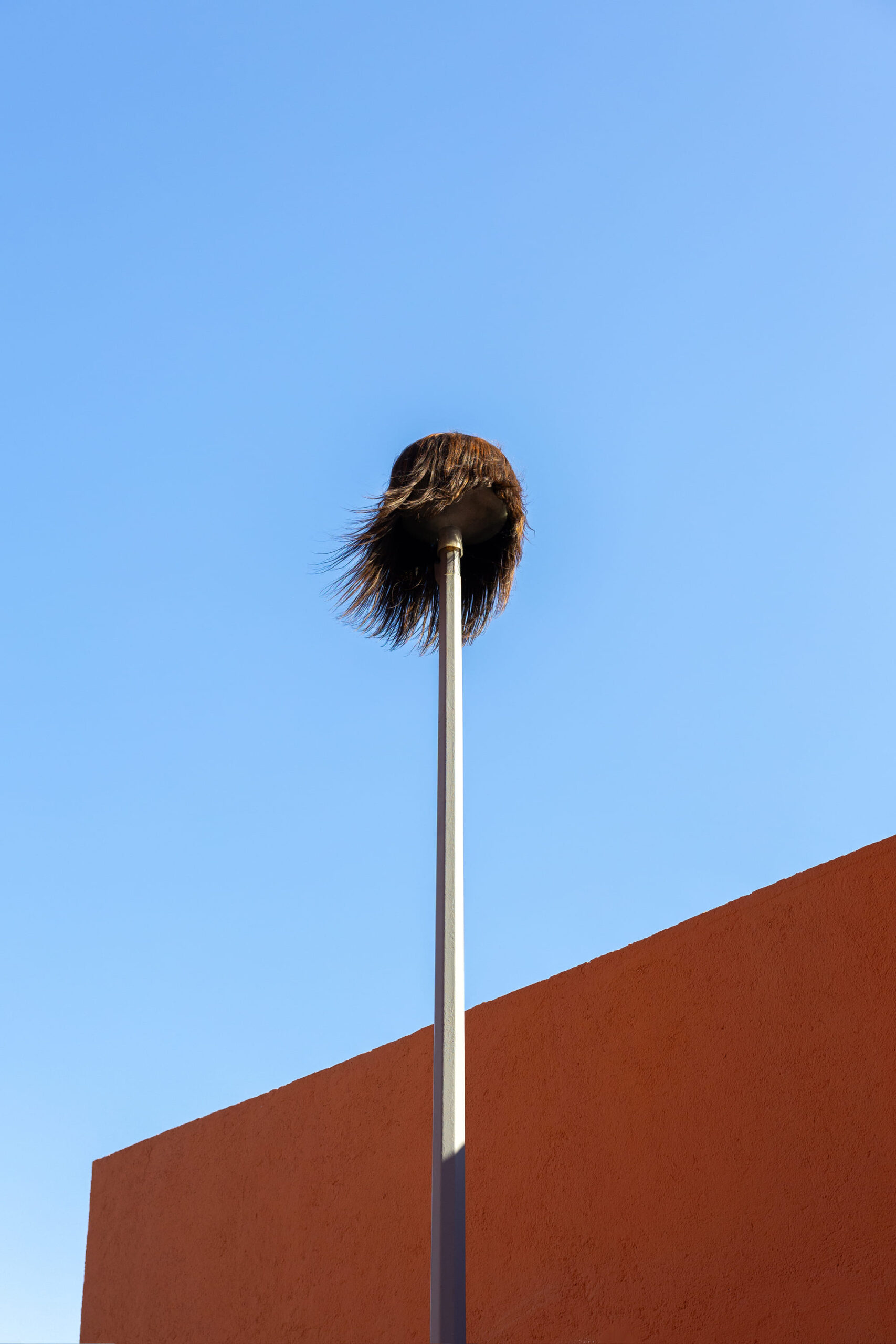
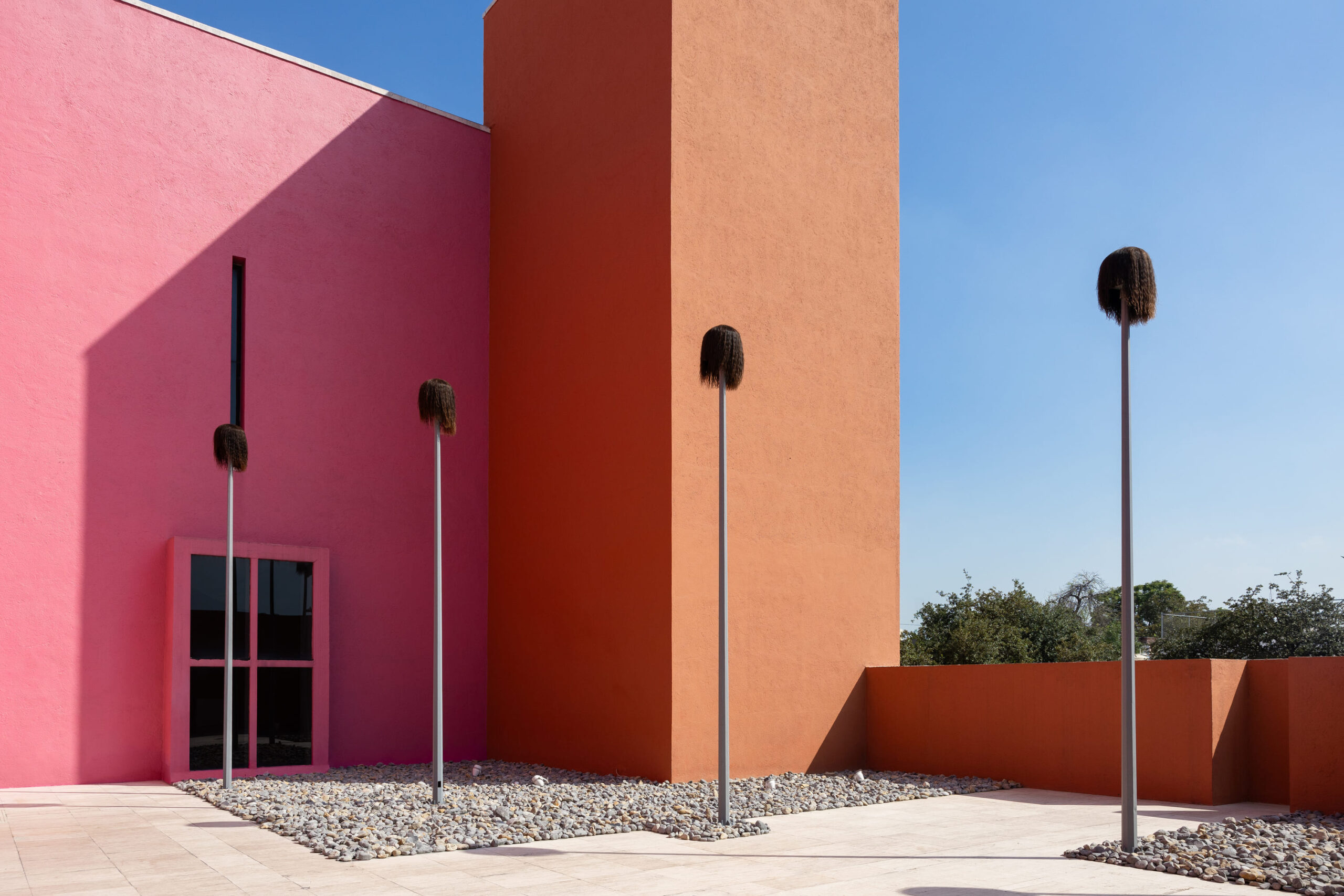
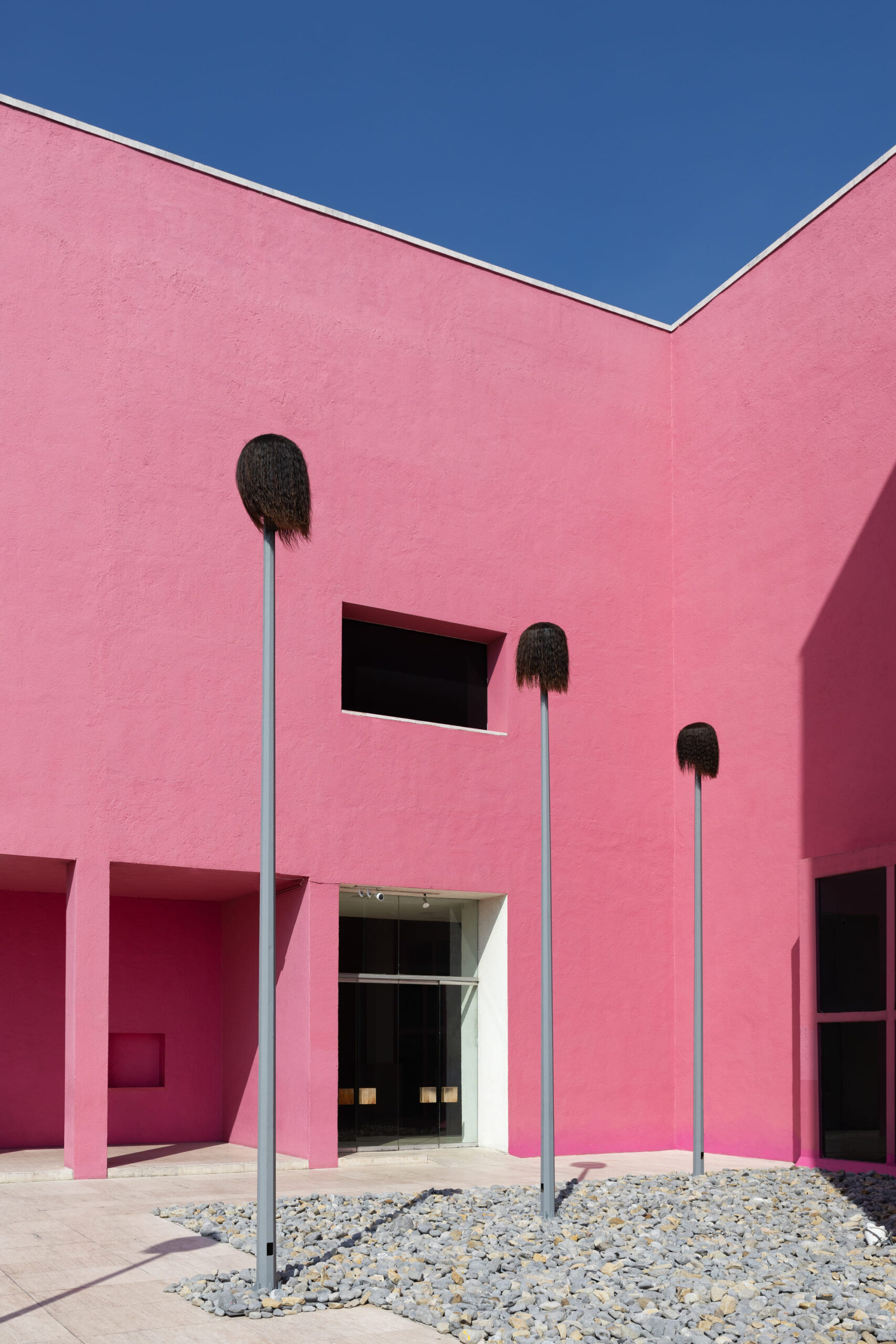
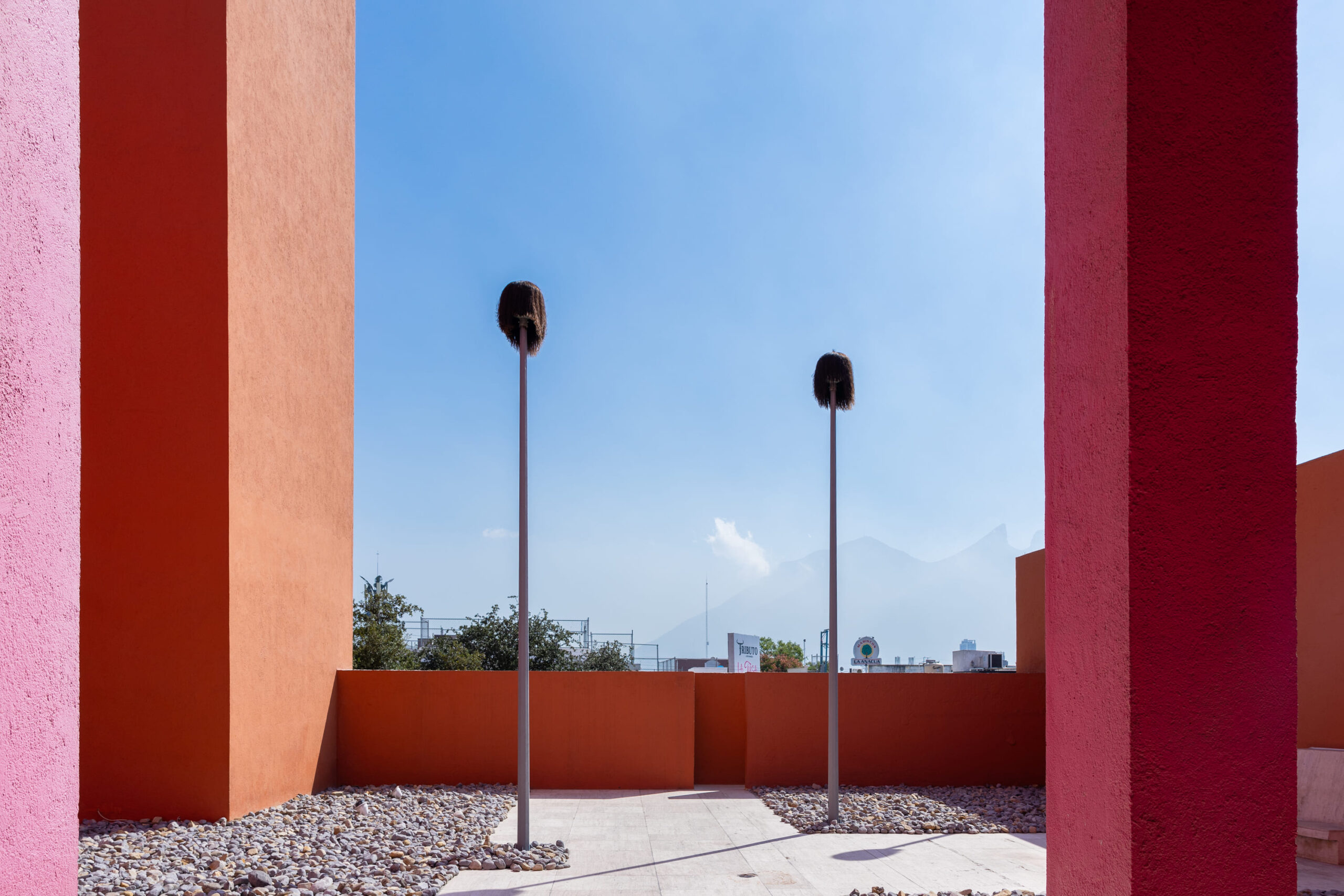
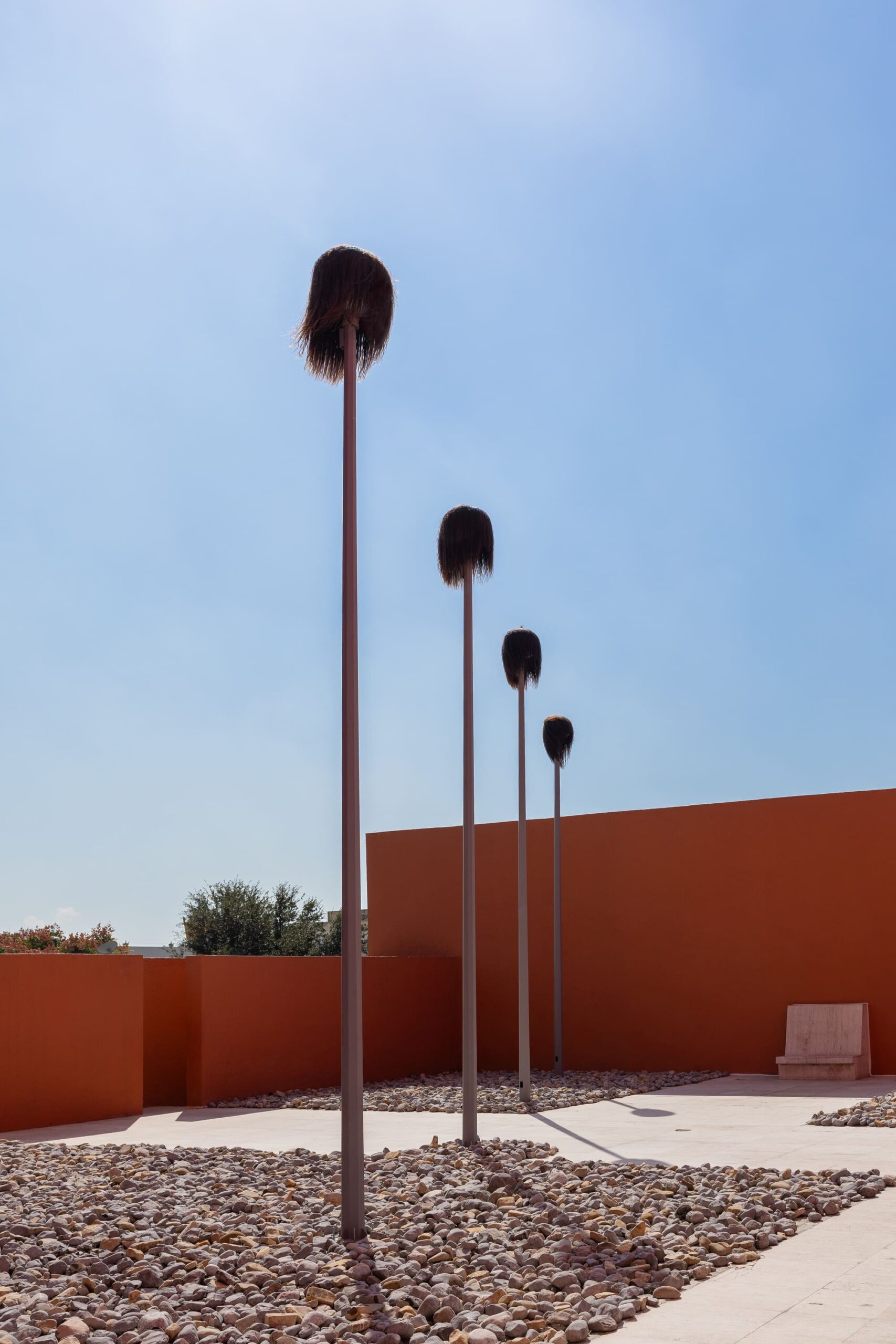
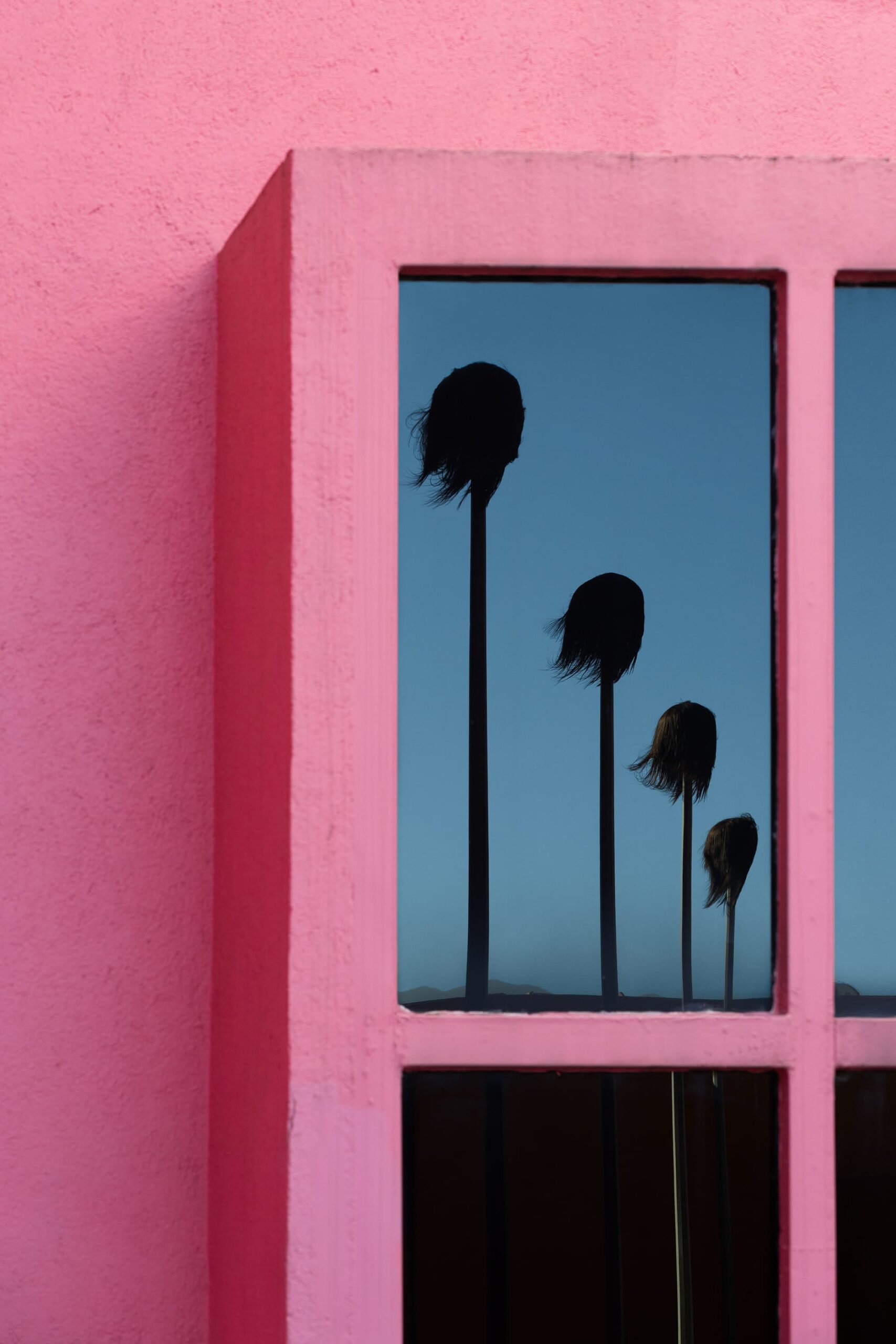
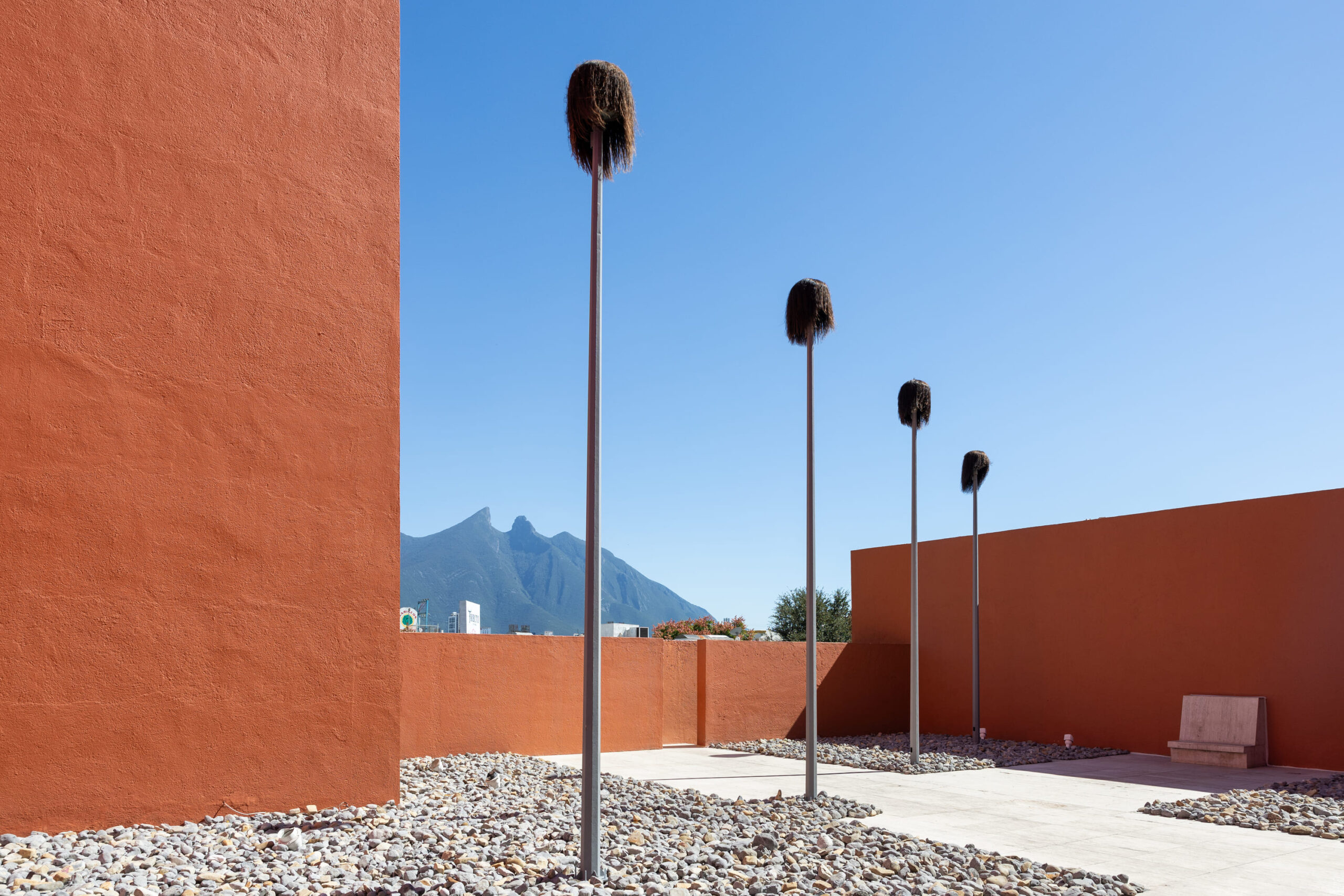
Your image will fade, but the wind will never carry it away by Isaac Olvera explores the connection between body, word, and performance, questioning the ephemeral nature of memory and the resilience of identity in the face of time. The project brings together one of the central elements of Olvera’s work: performance. Due to its ephemeral nature and its reliance on context and space, the performance presents a challenge when recontextualized, in this instance, within an exhibition space, recalling the original experience through a sculptural installation.
It is important to note that Olvera does not conceive of performance as an isolated action but as a repeated practice that combines the objectual and the textual. His writings not only accompany his performative actions but are also nourished by them in a continuous feedback process. This dynamic relationship between body, image, and word becomes an essential premise: the image may fade, but it persists in memory and in the actions that evoke it.
The installation presented in the Sculpture Patio of the Museum of Contemporary Art of Monterrey consists of five disused light posts, topped by giant wigs made of human hair that rise as extensions of Isaac’s performing body. Mysterious and abstract, these sculptures move with the wind, symbolizing the reanimation process in the performance where Olvera reactivates the trace of Natasha Fuentes Lemus (1974–2005), reflecting on her life. The pieces offer a dual reading: on one hand, they refer to Olvera reanimating Natasha as a self-portrait of the artist; on the other, they evoke Fuentes Lemus’s movement between street life and her daily environment, surrounded by the literary elite.
The sculptural ensemble forms a diagonal that disrupts the straight and horizontal lines of the Sculpture Patio. This cut, akin to a knife one, transports the artist’s dreamlike vision toward a character who dissented from power in an orderly Mexico. Just as the wind and weather affect the installation, it prompts a reflection on how wear and tear modify our imprint without erasing the essence of things.
Your image will fade, but the wind will never carry it away is ultimately a testimony to change, carrying a reminder with it: the ephemeral can become a space of resistance, where image and word not only transform but find new ways to endure through multiple iterations and interpretations.
Brenda Fernández Villanueva
Associate Curator