Date
From June 17, 2016 to September 18, 2016
Area / Gallery
Gallery 1-4
Curator: Ulrike Lorenz.
The Museum of Contemporary Art of Monterrey presents the first major retrospective in Mexico of Otto Dix (1891-1969), one of the most important German artists of the 20th century, whose work captures with extreme realism and criticism the horrors of war and the cracks in German society at the time.
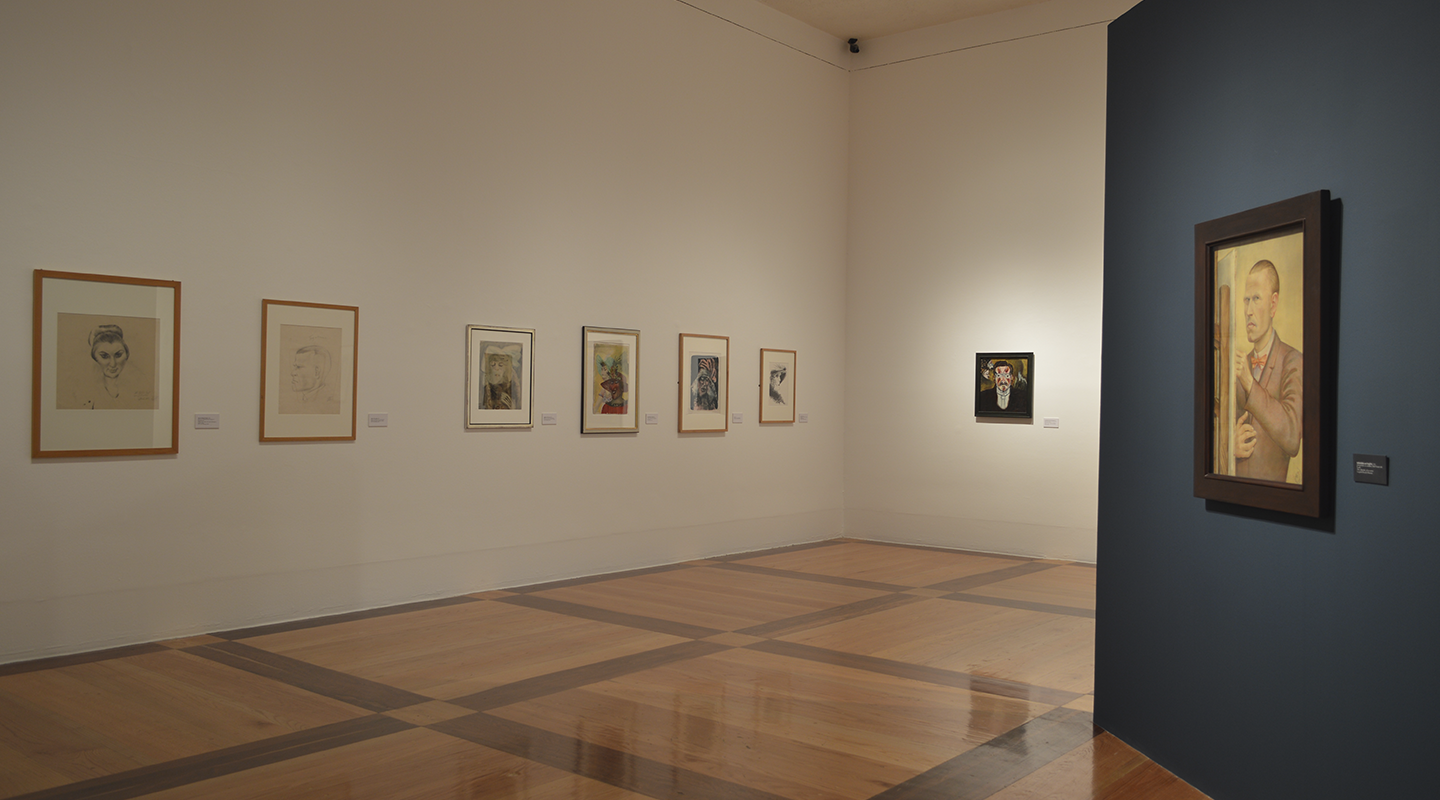
Organized by MARCO, MUNAL, and the Goethe-Institut Mexiko as part of the celebrations for the Mexico-Germany Dual Year 2016-2017, the exhibition highlights Otto Dix’s artistic development and analyzes the different aspects that characterize his work in more than 150 pieces created between 1913 and 1969 using various techniques such as oil painting, etching, lithography, and pencil drawing.
The artist interpreted his own experiences in war and in the big city, but above all his contradictory experiences with people from across the social spectrum in extreme situations. His work provokes and challenges the viewer to reflect on their surroundings, to see them through Dix’s harsh gaze, which accepts no subtleties.
Otto Dix is described by curator Ulrike Lorenz as a realist, expressionist, Dadaist, or old master, a committed and eclectic painter, a fanatic of reality and a visionary, a moralist or a cynic. Marked by two world wars, he was celebrated as an “elemental artistic force,” reviled as a “reactionary painter with leftist themes,” and branded an inventor of “obscenities against morality”; he proclaimed himself a “sovereign proletarian.”
The exhibition consists of seven modules that reveal the different techniques and styles used by the German artist throughout his artistic career, as well as the recurring themes in his work, among which war, portraiture, nudes, and Berlin society stand out.
The exhibition closes with the module War and Peace. In a Divided Europe. After World War II, the artist experimented with other techniques and developed a neo-expressionist realism, creating contemporary symbols of guilt and atonement inspired by Christian iconography.