Date
From July 01, 2016 to November 26, 2016
Area / Gallery
Gallery 6-11
Curator: Gonzalo Ortega.
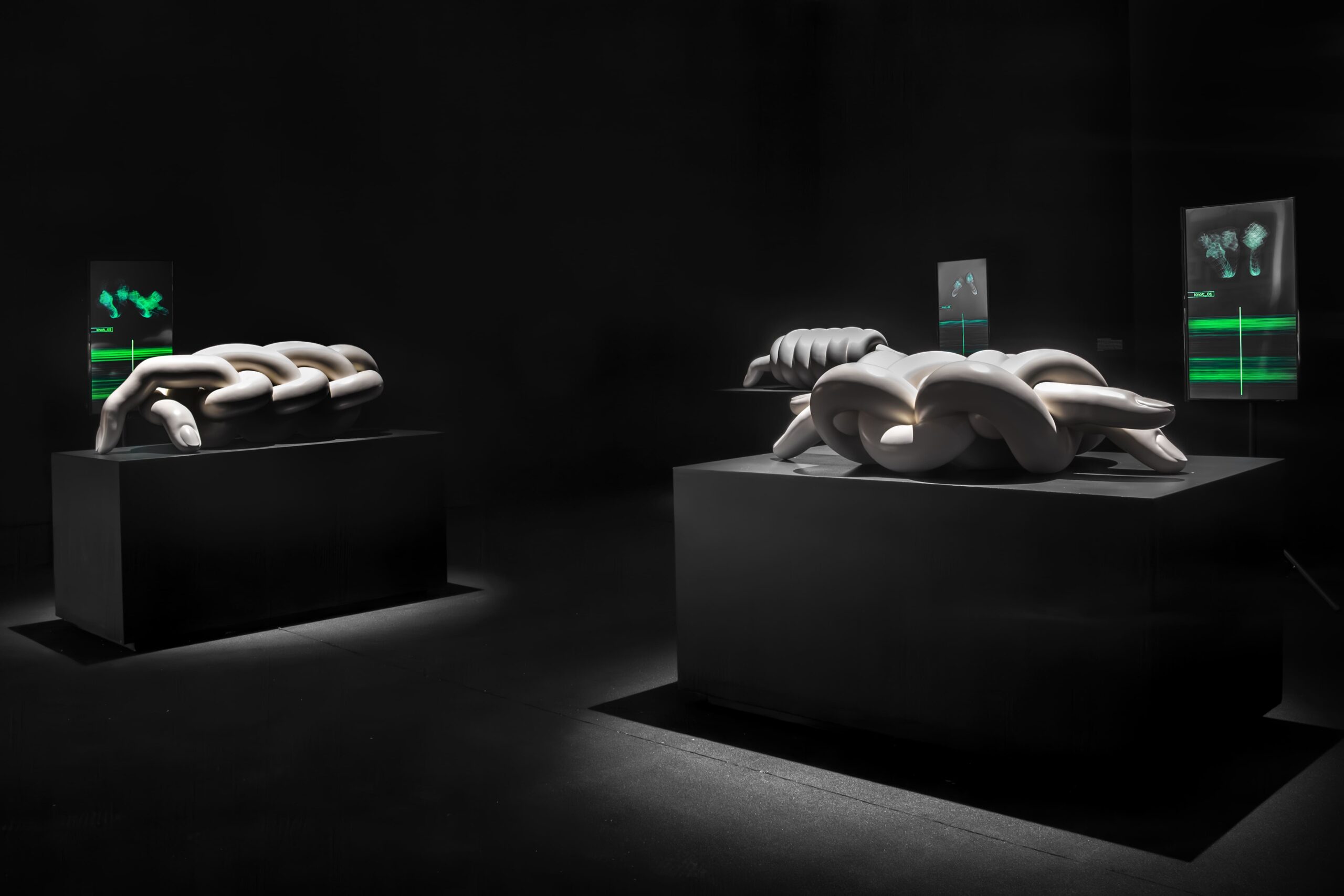
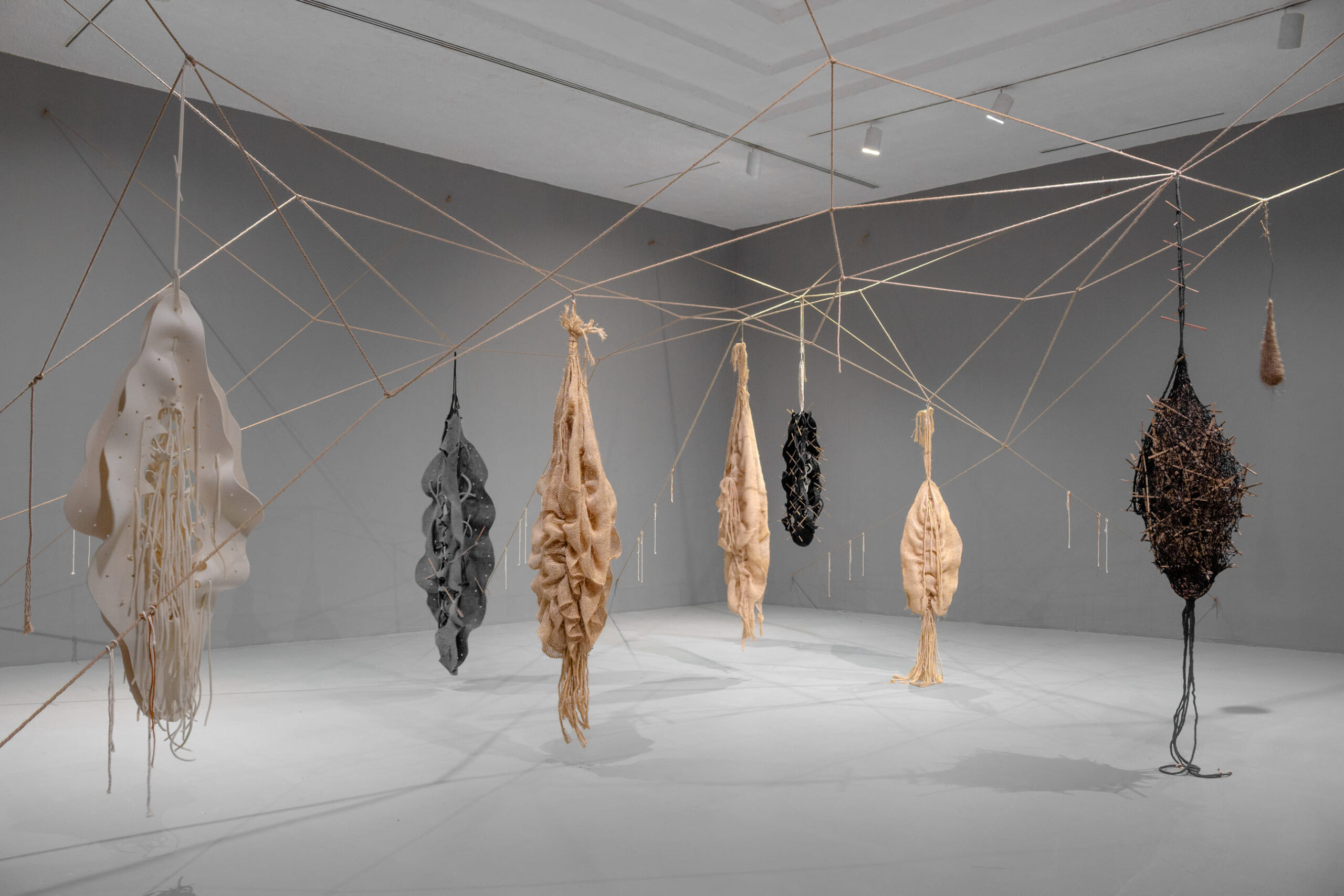
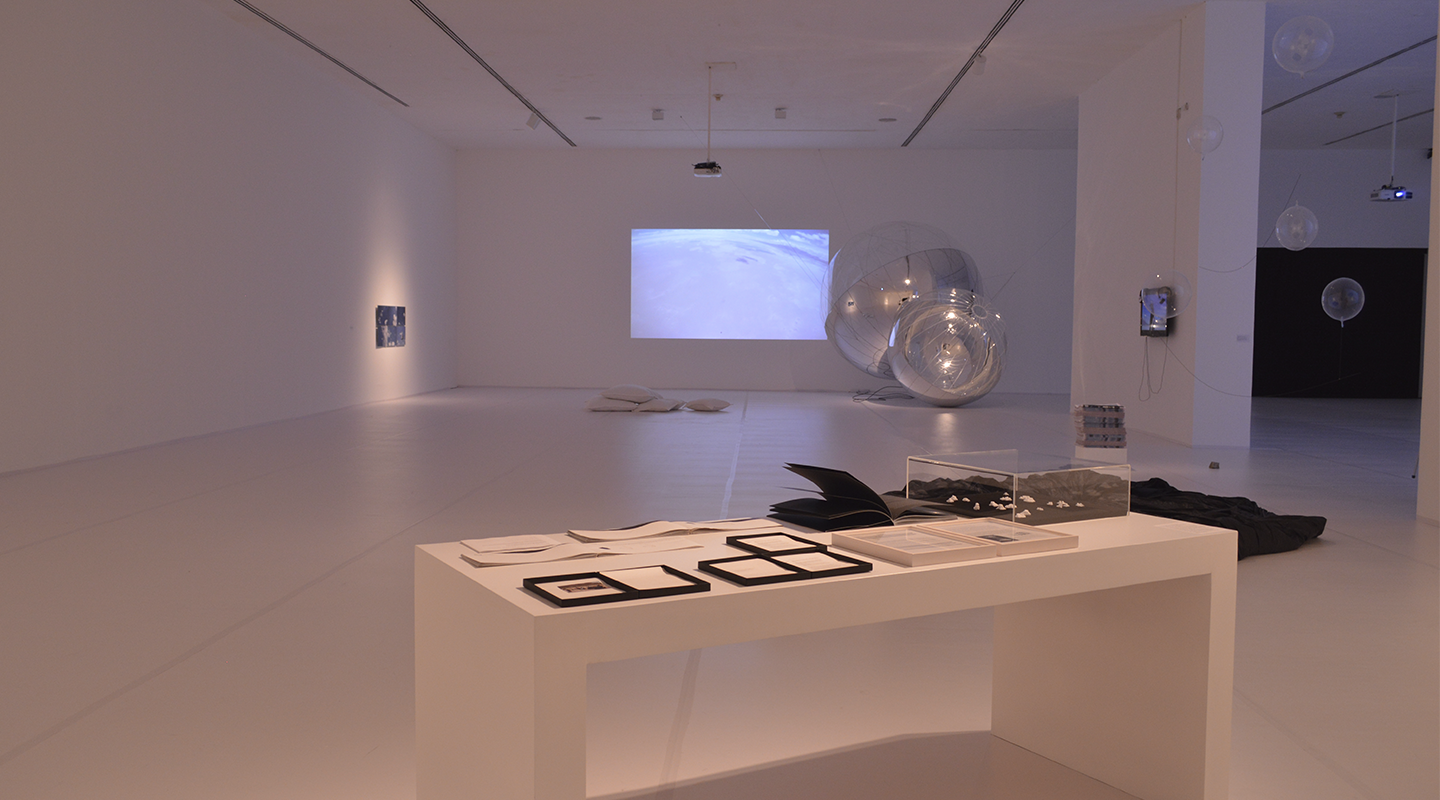
MARCO presents the first major exhibition in Latin America by Argentine artist Tomás Saraceno (Argentina, 1973). His work is characterized by blurring the boundaries between scientific thought and various creative processes, resulting in pieces of remarkable technical refinement and sensitivity. The magical environments created by Saraceno with the help of specialists from different disciplines range from the construction of impossible spaces to references to the nature of the cosmos, molecular biology, and the laws of physics.
The origin of the cosmos has always intrigued Tomás Saraceno, who explores radical ideas in his work, such as the existence of parallel universes. His interest in these themes stems from a certain field of artistic exploration that various creators throughout history have turned to, drawing on information outside the traditional framework of the arts to interpret, or reinterpret, the world. In his case, many projects draw inspiration from astronomy and astrophysics. Saraceno and his studio produce ideas from a multidisciplinary platform, which over the years has suggested possible realities that often border on utopia.
From physics and mathematics, Saraceno took, for example, the reference point of the so-called “membrane theory,” a field of research still in its infancy that involves studies of gravity in multidimensional environments to explain the essential forces of nature. This model of study is represented as a plane, which, when pressure is exerted on a point on its surface, curves, affecting the rest of the plane.
Today, artistic processes often draw on interdisciplinary knowledge to escape preconceived and outdated notions of reality, with the idea of constructing radical scenarios. Saraceno approaches utopia as something that may have been impossible in the past, but may no longer be so. The extreme scenarios produced by his studio are resolved in collaboration with specialists from different fields. As a matter of principle, he does not establish a hierarchical structure within his incredibly well-designed work teams. In this sense, Saraceno’s installations are not scale models, but devices for creating experiences and confronting what we do not know, what we do not understand. The horizon between reality and utopia is much less enigmatic for him than it is for the rest of us.