Date
From February 12, 2016 to July 17, 2016
Area / Gallery
Gallery 5
Curator: Marisol Argüelles.
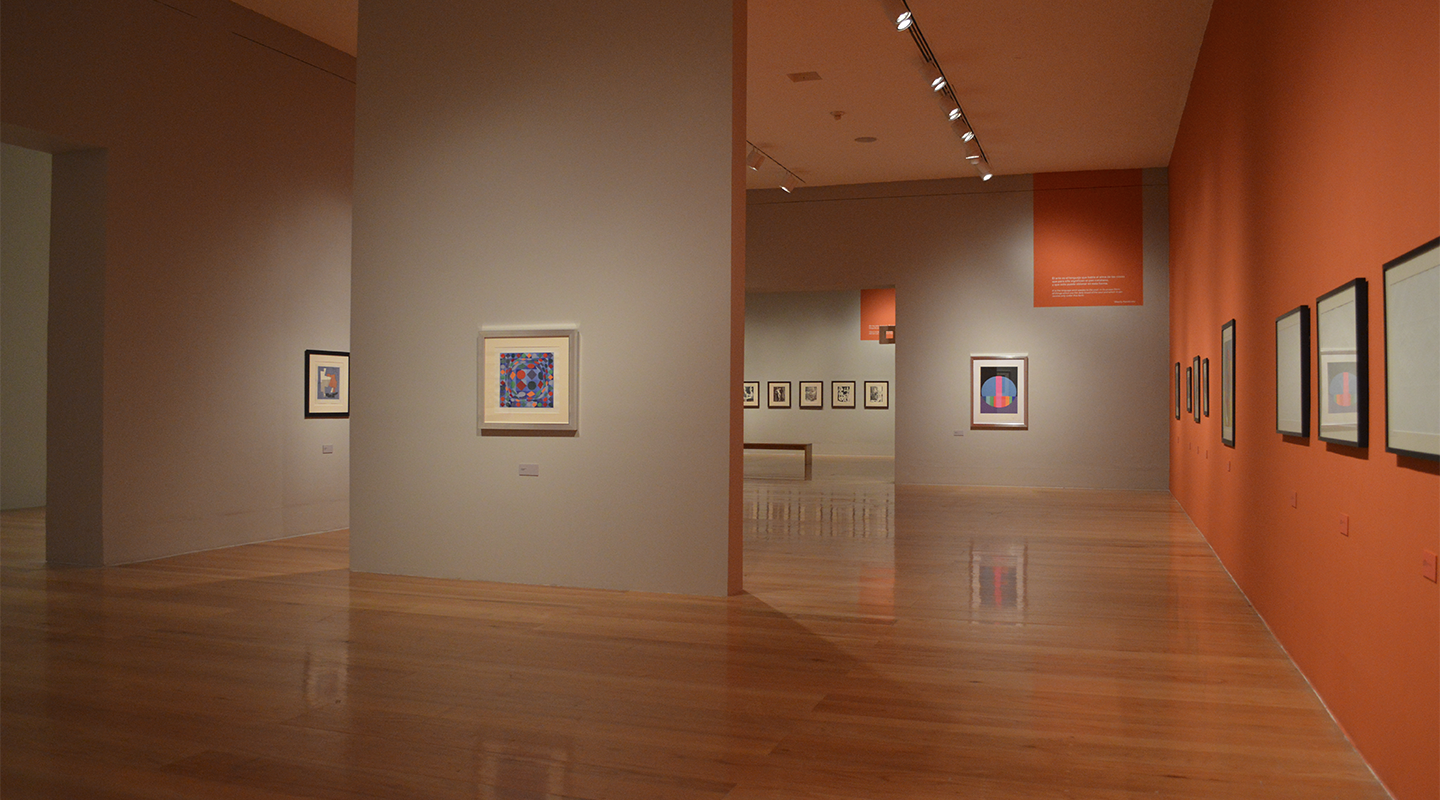
The Museum of Contemporary Art of Monterrey presents a review of the graphic work in the collection “The Universe of Pedro Coronel” | Pedro Coronel Museum, which includes the most outstanding artists of the avant-garde and artistic movements of the mid-20th century, who revolutionized both art education and the art market after breaking with the academies. Notable names include Max Ernst, Jean Cocteau, Joan Miró, and Pablo Picasso.
Built up over four decades, the collection “El Universo de Pedro Coronel” | Museo Pedro Coronel consists of nearly 1,350 pieces from countries and periods as diverse as ancient Greece, the indigenous cultures of the Ivory Coast, and pre-Columbian and New Spain Mexico, among many others. As a collector, Mexican artist Pedro Coronel (Zacatecas, 1923-1985) reveals a universal vision of art that is very characteristic of his time.
Like many other Mexican artists from previous generations, explains exhibition curator Marisol Argüelles, Pedro Coronel spent enough time in Paris to consolidate a renewed vision of art. His contact with the artists of the moment in the postwar years allowed him not only to establish strong bonds of friendship, but also to add to his collection a set of drawings and prints by the most outstanding artists of the avant-garde and artistic movements of the mid-20th century, who revolutionized both art education and the art market after breaking with the academies.
This review, organized into five thematic sections, focuses specifically on the collection of graphic art that the artist assembled and whose influence is evident in his work, while illustrating a metamorphosis in visual representation, when artists were moving away from representing the human figure and turning their work toward abstraction. Coronel acquired and preserved works by artists who were fundamental to understanding these movements. Notable names include Max Ernst, Jean Cocteau, Joan Miró, and Pablo Picasso. In Picasso, we can clearly understand the process of synthesis that gives its name to the abstract movement, born from the simplification of forms; an “abstraction” from nature that advances to the point of completely losing its relationship with the object.
Many of the abstract movements were initially linked to surrealism; therefore, it is not unusual to find a significant number of artists associated with this avant-garde movement. Among them are Víctor Brauner, Roberto Matta, and Wifredo Lam.
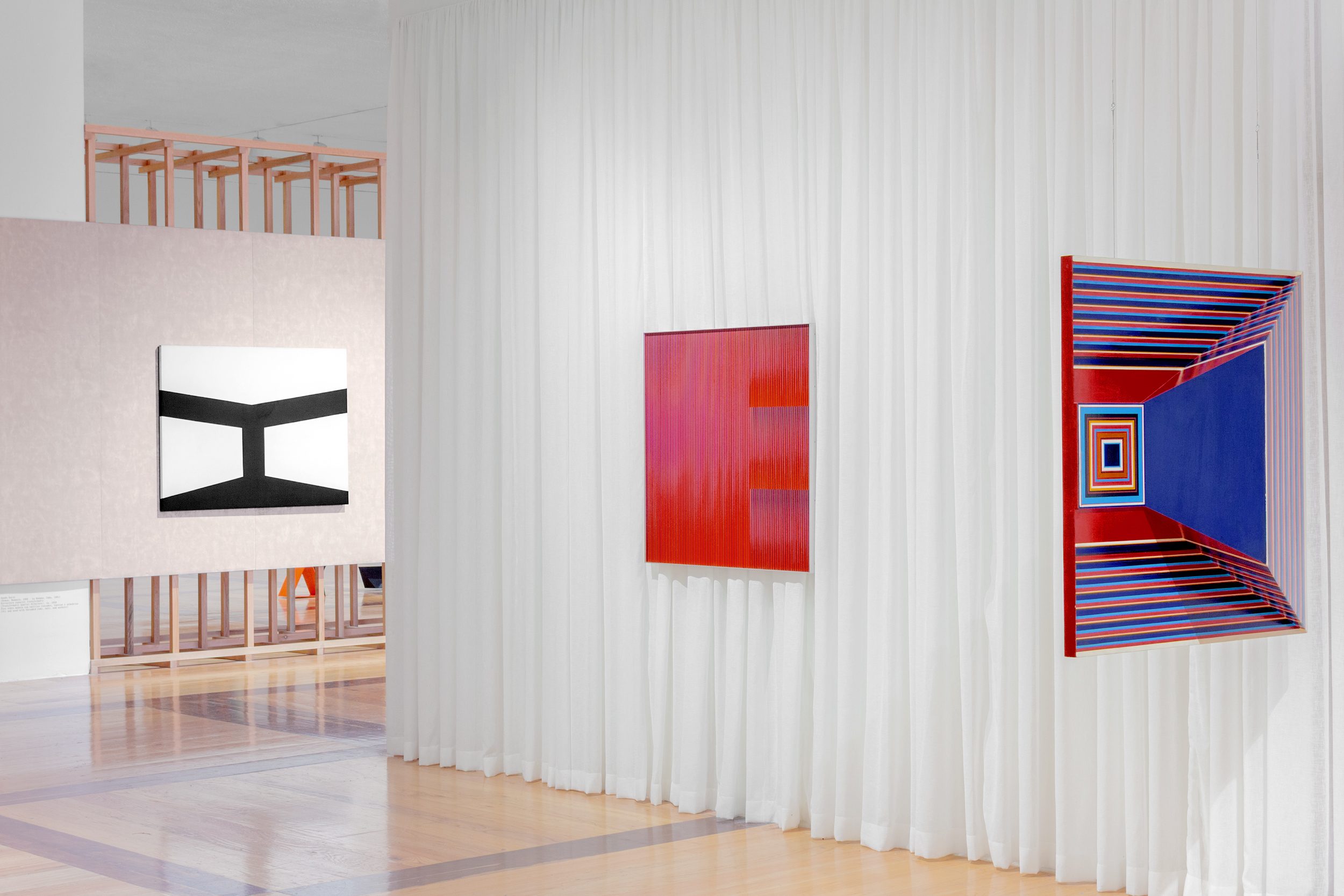
Pedro Coronel’s collection brings together different derivations of abstraction, starting with Kandinsky’s lyricism, although there is also a marked tendency toward geometrism and the exploration of color—both elements present in the work of the Zacatecan artist—in artists such as Serge Poliakoff, Alberto Magnelli, Eugenio Carmi, and Sonia Delaunay.
In the wake of World War II, a significant number of painters of different nationalities converged in the United States, giving rise to the New York School. This movement was dubbed Abstract Expressionism. Although Jackson Pollock was one of the most prominent representatives of this pictorial trend, artists such as Robert Motherwell, included in the collection alongside important representatives of this movement in other countries, including Antoni Tàpies and Antonio Saura, were no less important.
Abstract art revolutionized the way we understand art, from its conception to its perception, and opened up a completely new path. Artists such as Eduardo Chillida took these trends to their limits. There are many examples throughout the 20th century where the synthesis of forms is complemented by other forms of experimentation, as in the case of Alexander Calder.
Abstract art was, at the time, a challenge to the artistic system, not only in formal terms due to its definitive break with academic teachings and realist schools, but also because it challenged a system of values that had been called into question at the end of the war. Its protagonists were so radical that they assumed the role of apostles of the avant-garde, preaching the gospel of abstraction, sometimes as a spiritual process, and sometimes as the fruit of reason.