Date
From November 29, 2024 to April 06, 2025
Area / Gallery
Gallery 5
Contraculture (Contracultura) brings together recent works by artists Tania Candiani, Zhivago Duncan and Omar Gámez, whose transgressive visual practices challenge established social and artistic norms.
Under the curatorship of Taiyana Pimentel, general director of MARCO, the exhibition incorporates new forms of resistance through art, in which the artists question conventions related to identity, the body, gender and nature. By taking up the term Counterculture, the exhibition is part of a tradition of subversion of established canons, similar to the countercultural currents of the 1960s and 1970s, which prompted a radical revision of politics, identity and art.
From their very particular language, each project rethinks strategies of representation, using different materials and supports that are linked to the exploration of each artist.
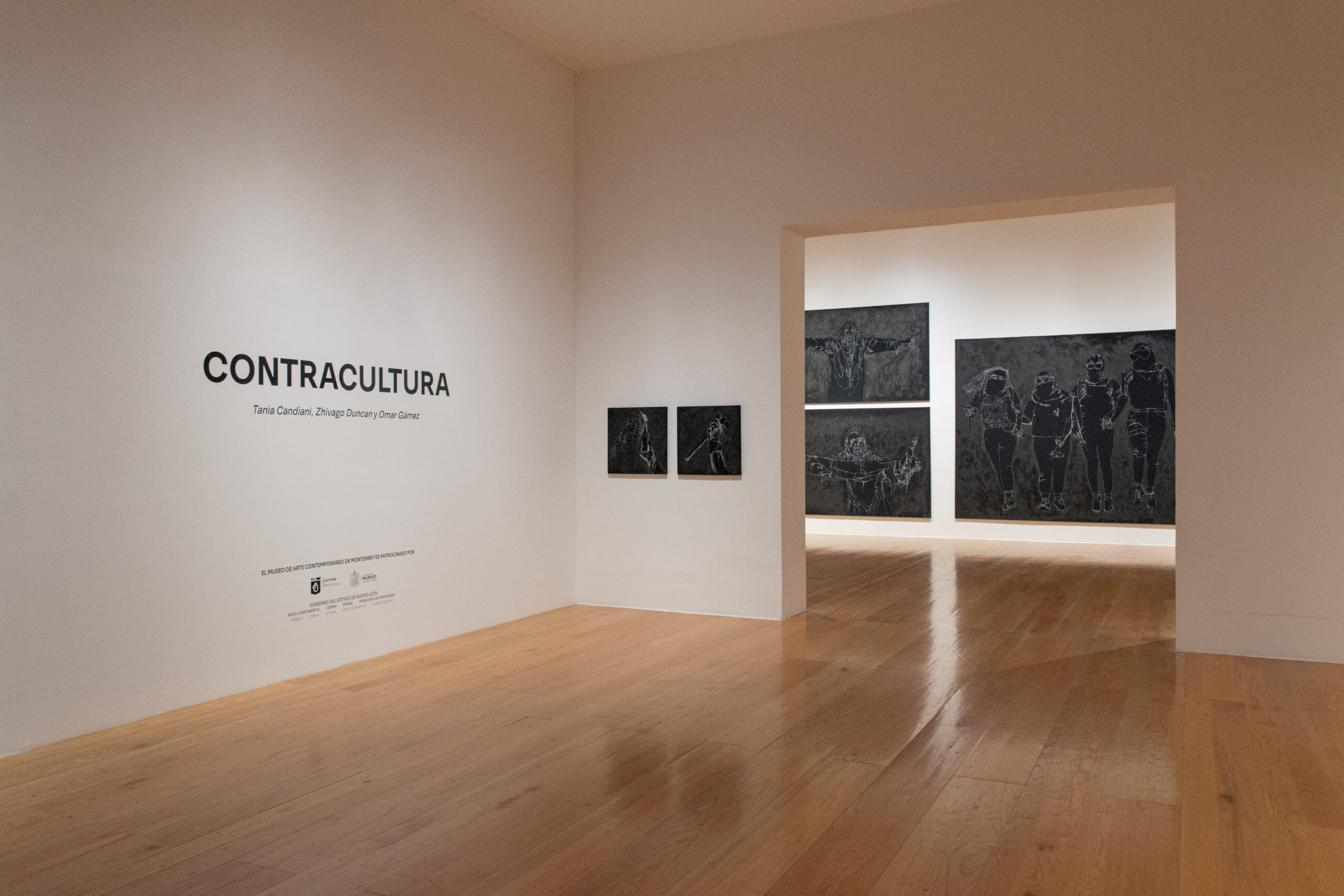
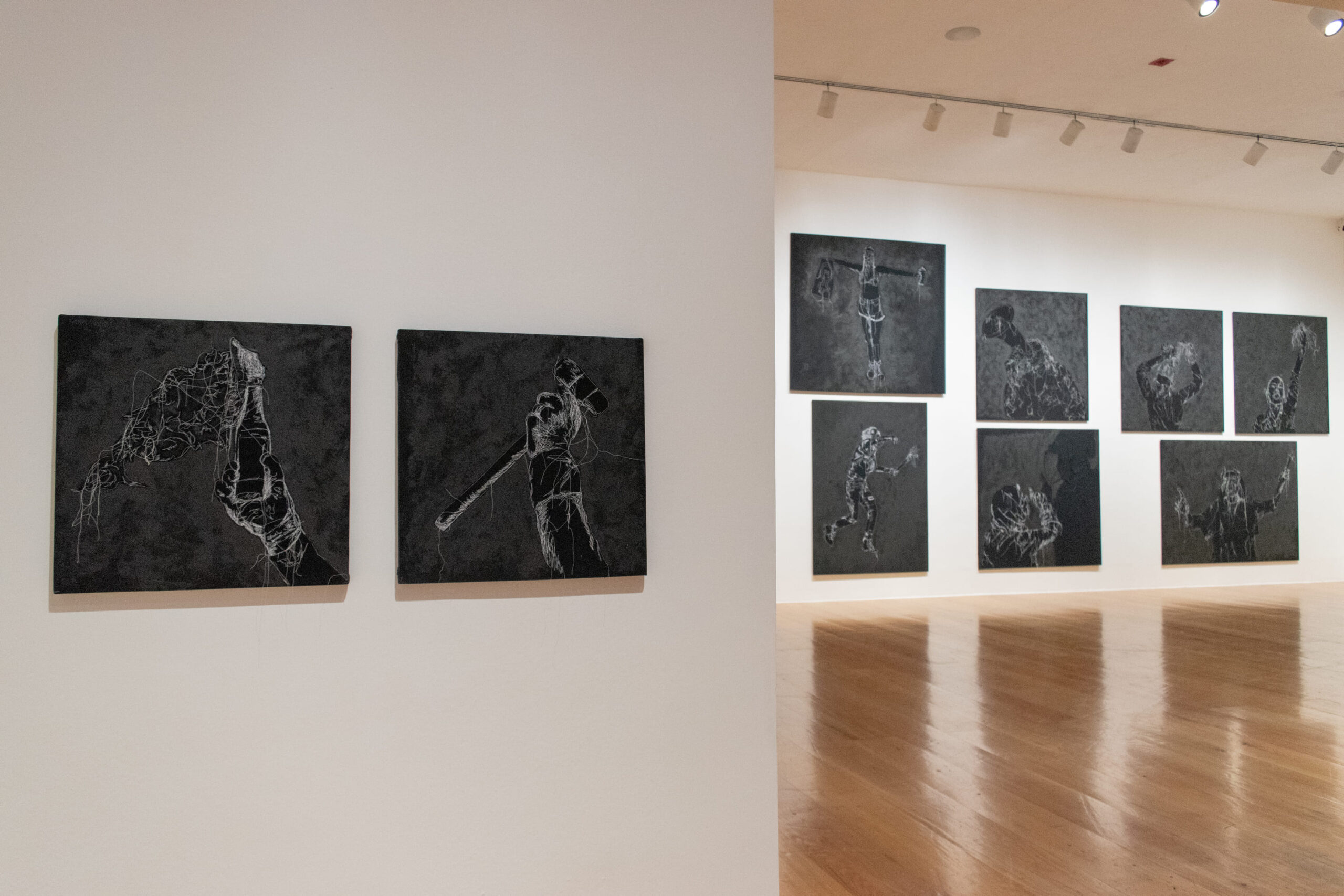
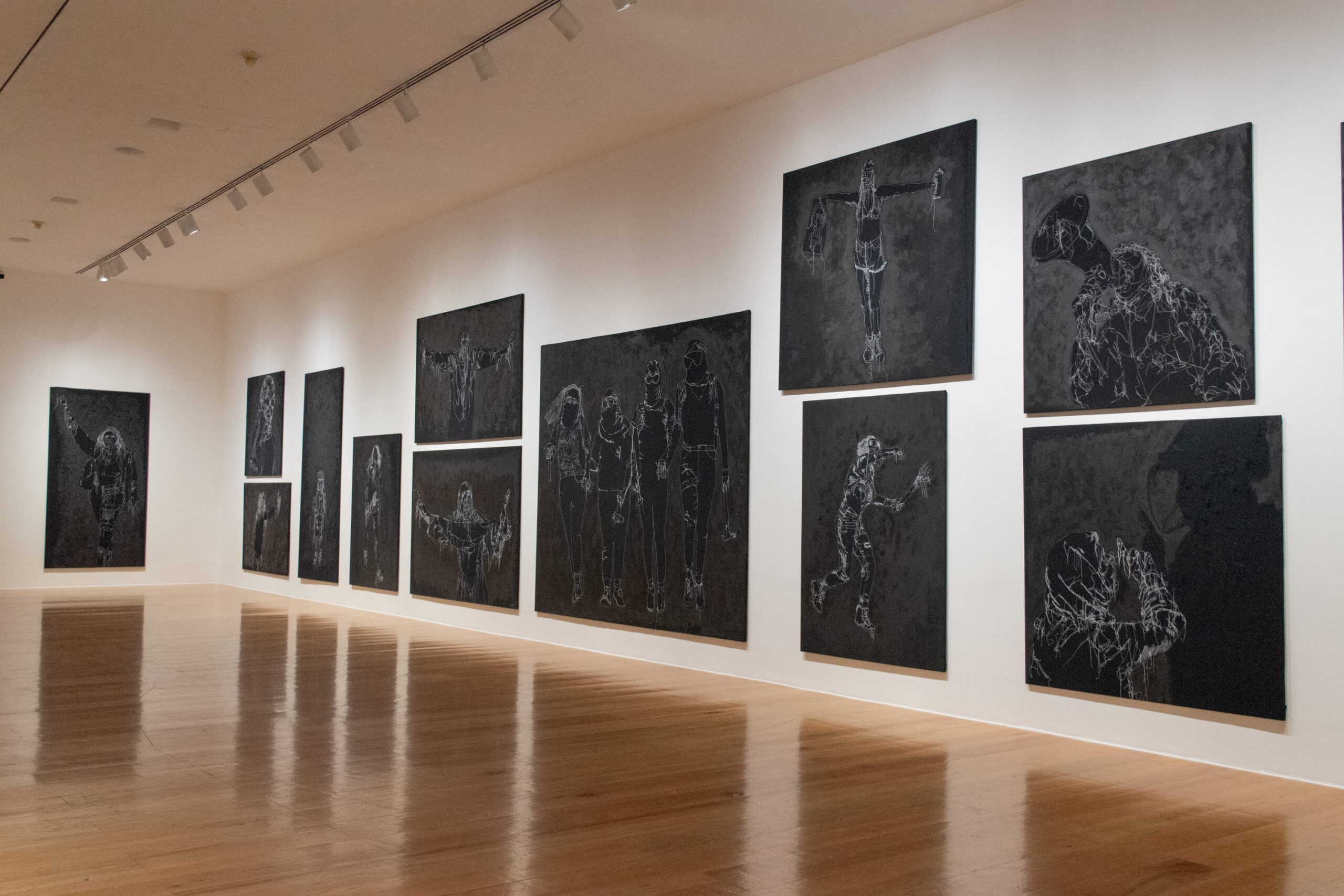
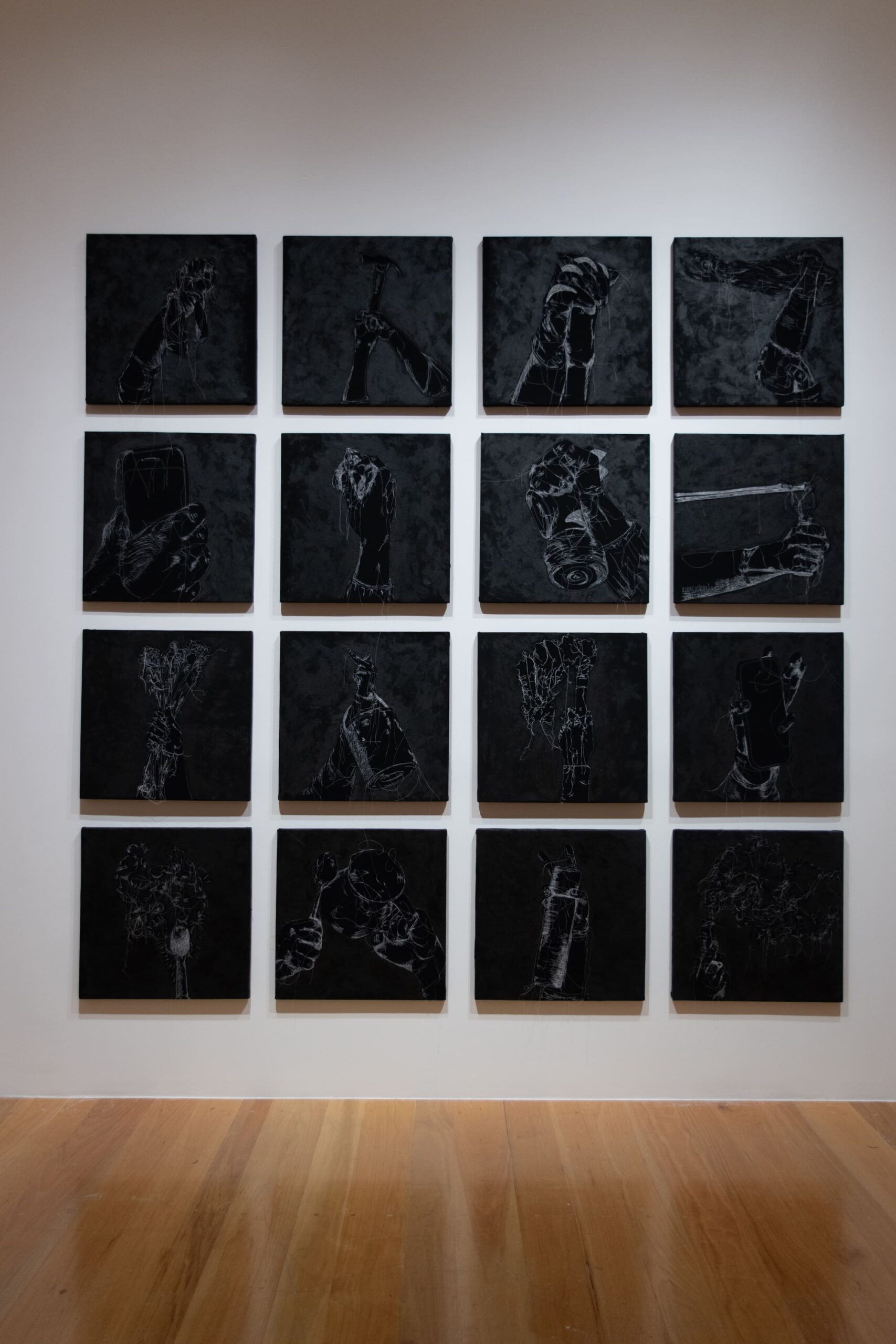
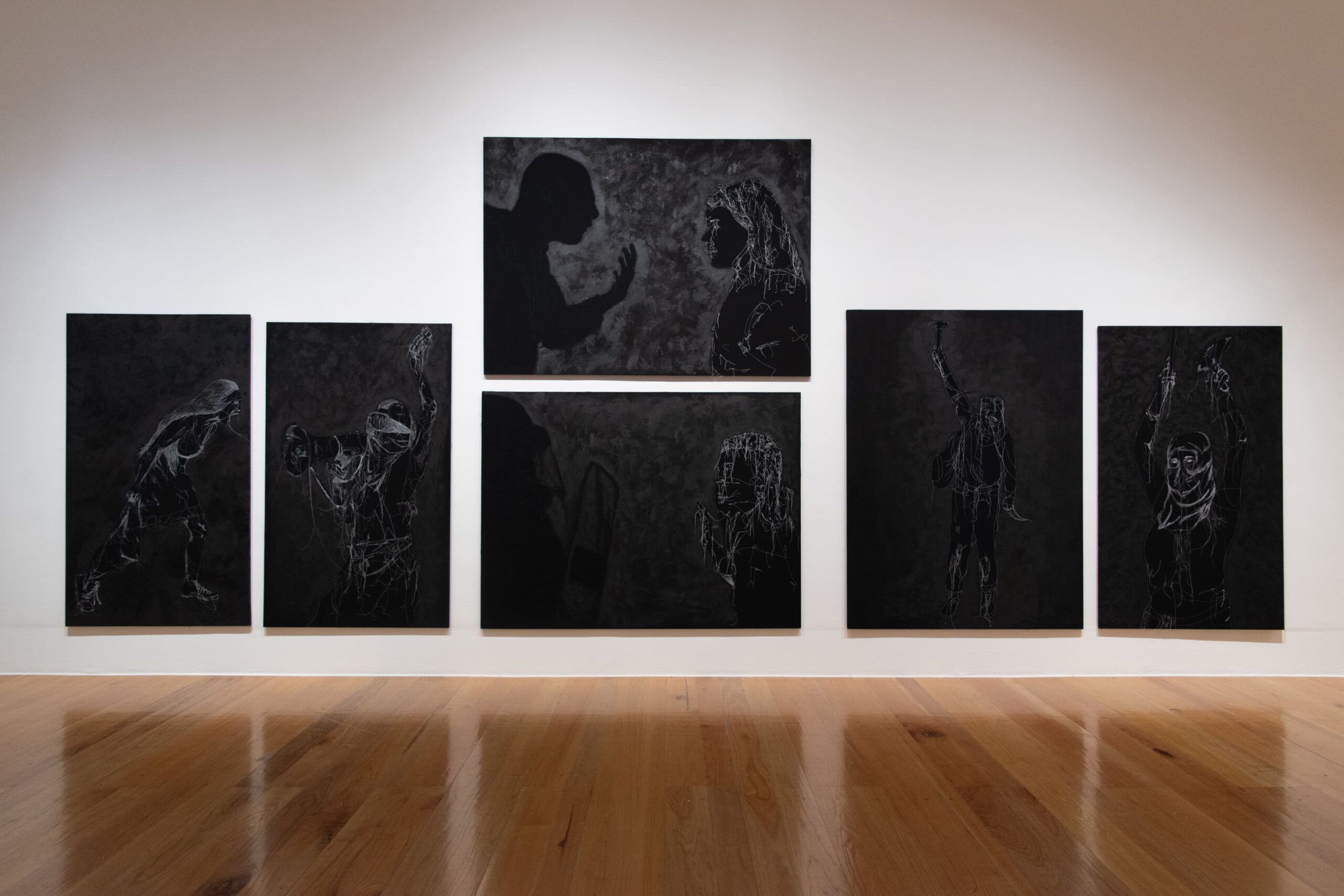
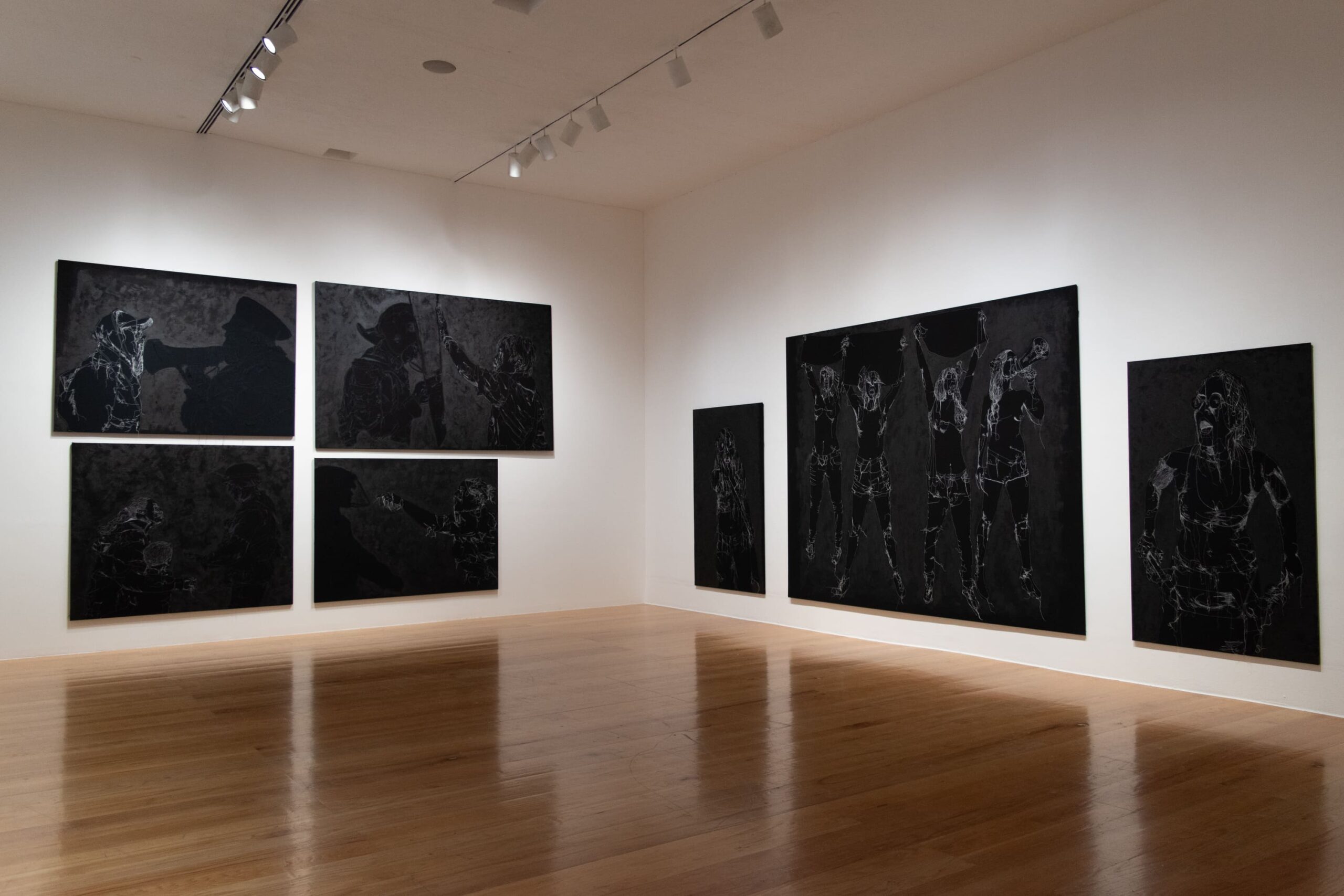
The artist Tania Candiani resorts to embroidery on canvas as a way to capture the figure of women and key elements of feminist demonstrations, focusing on the person, the tool and the action. In this way, the works are part of a visual investigation of women’s social protests around the world, evoking a sense of community through resistance.
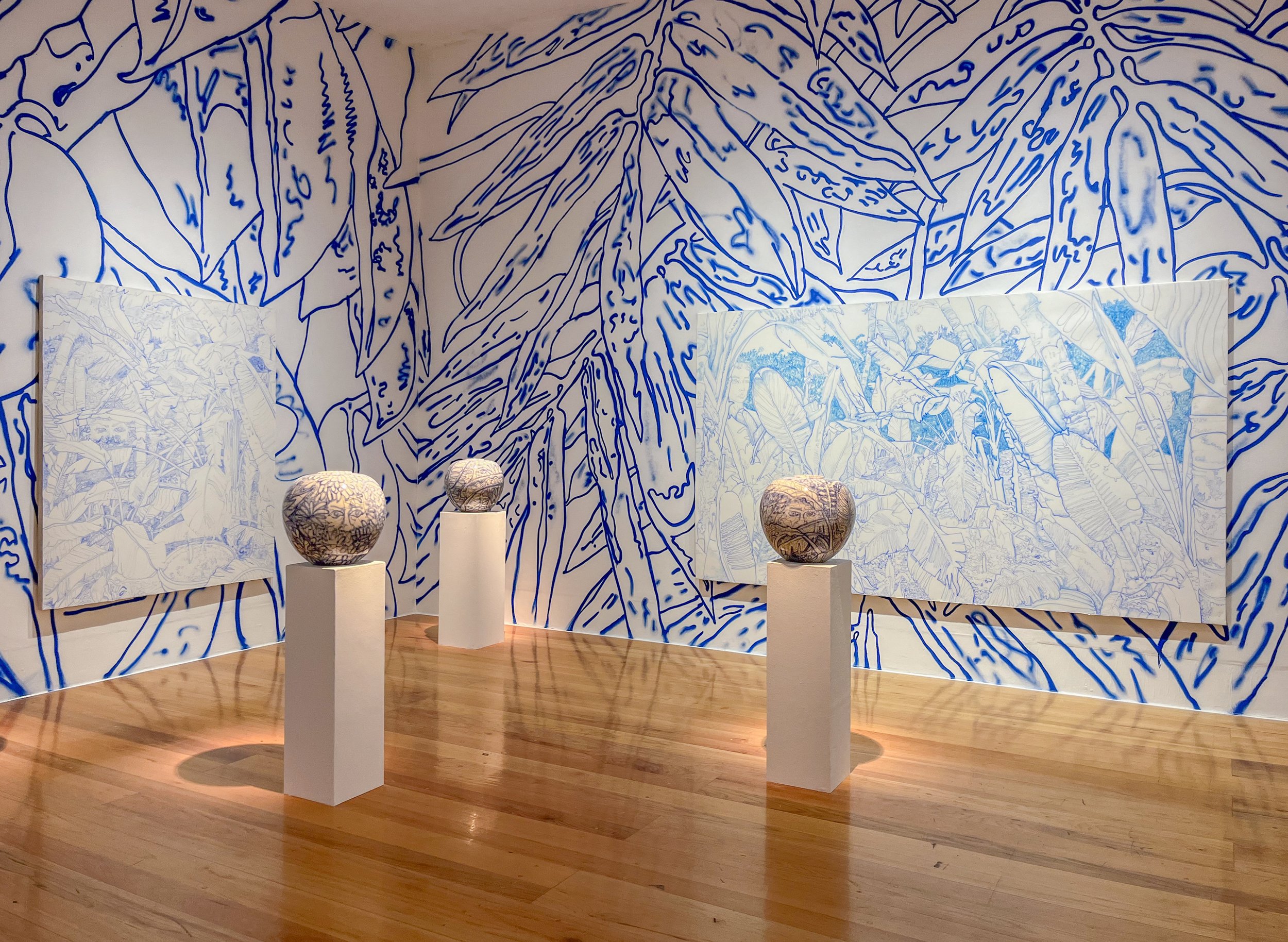
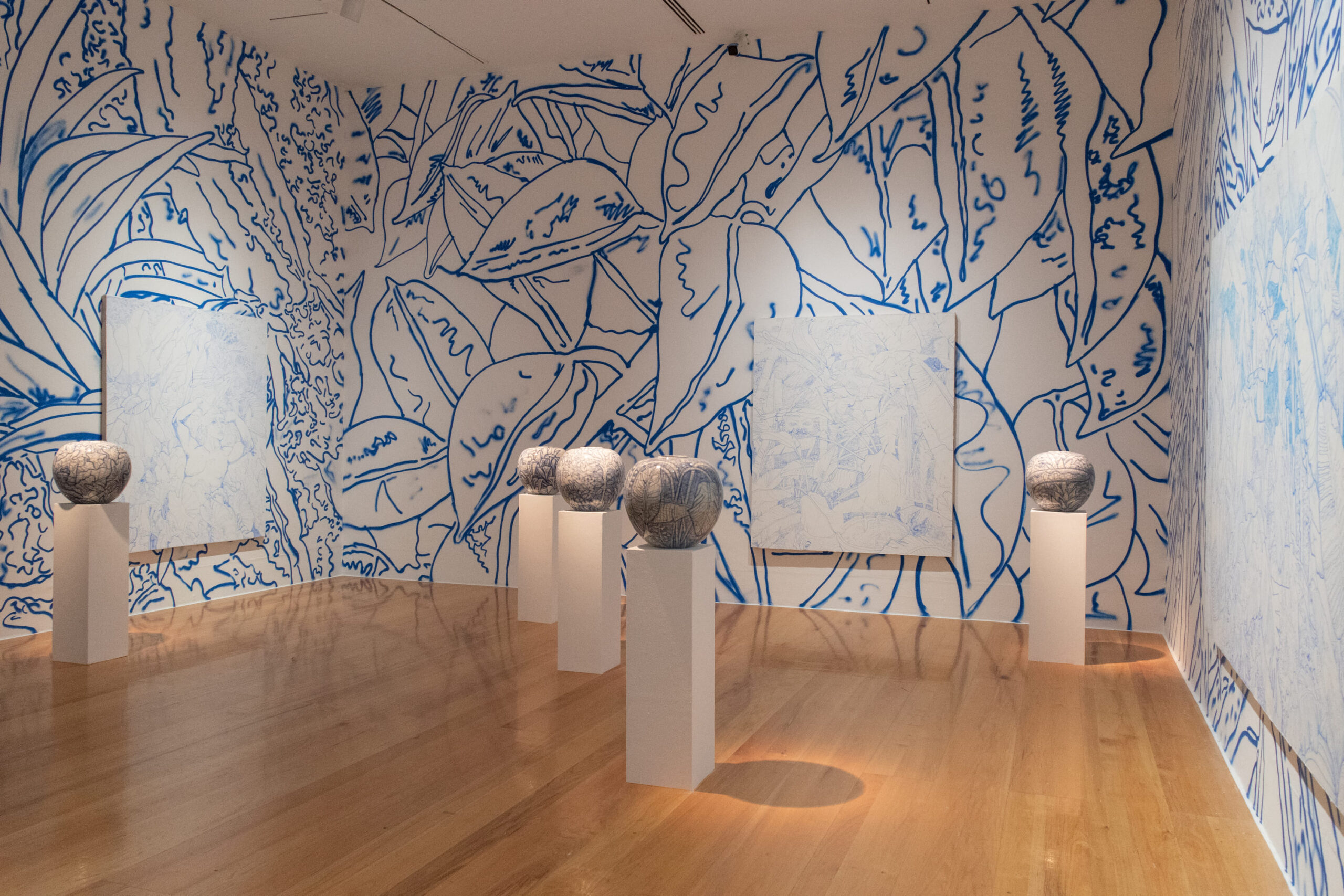
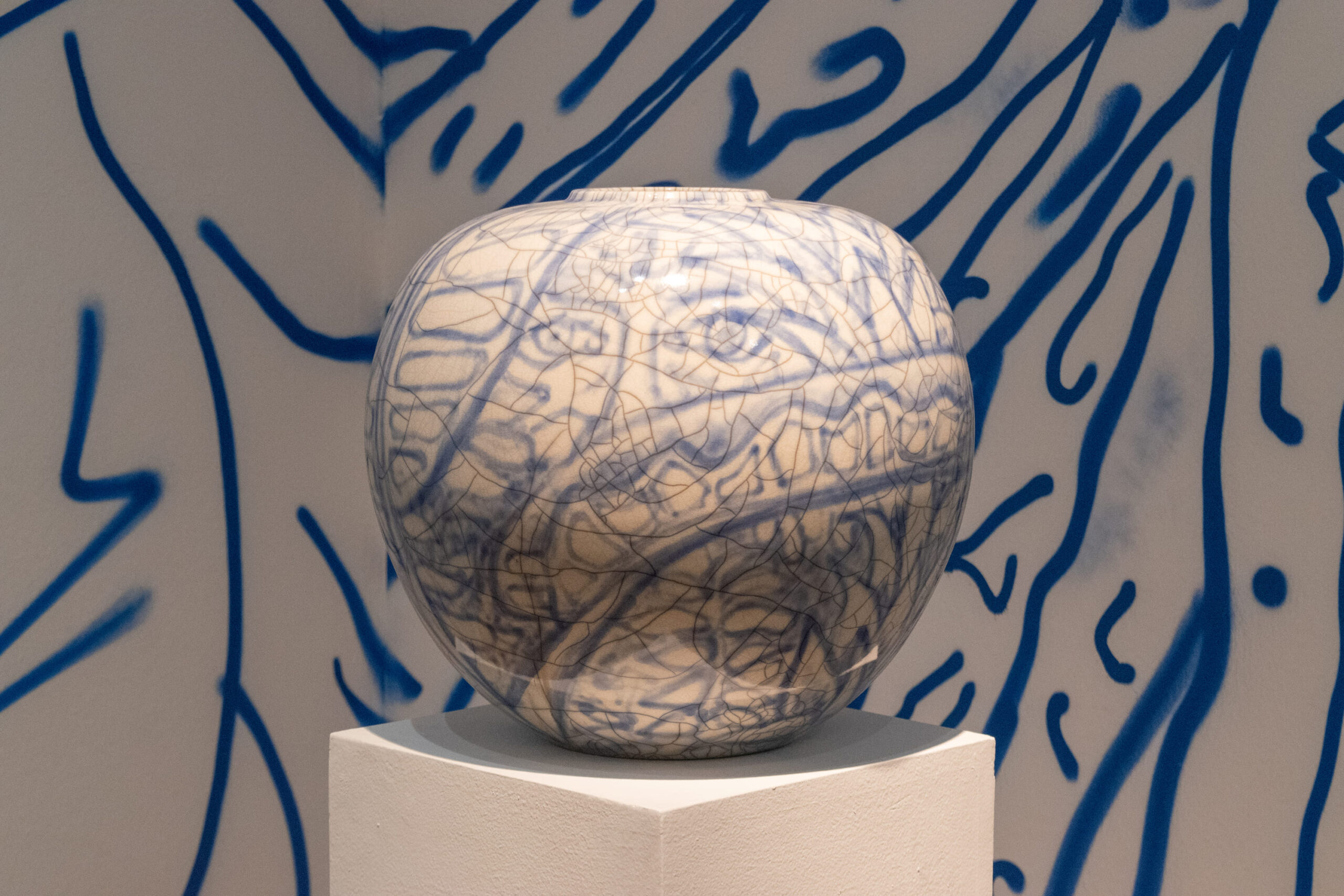
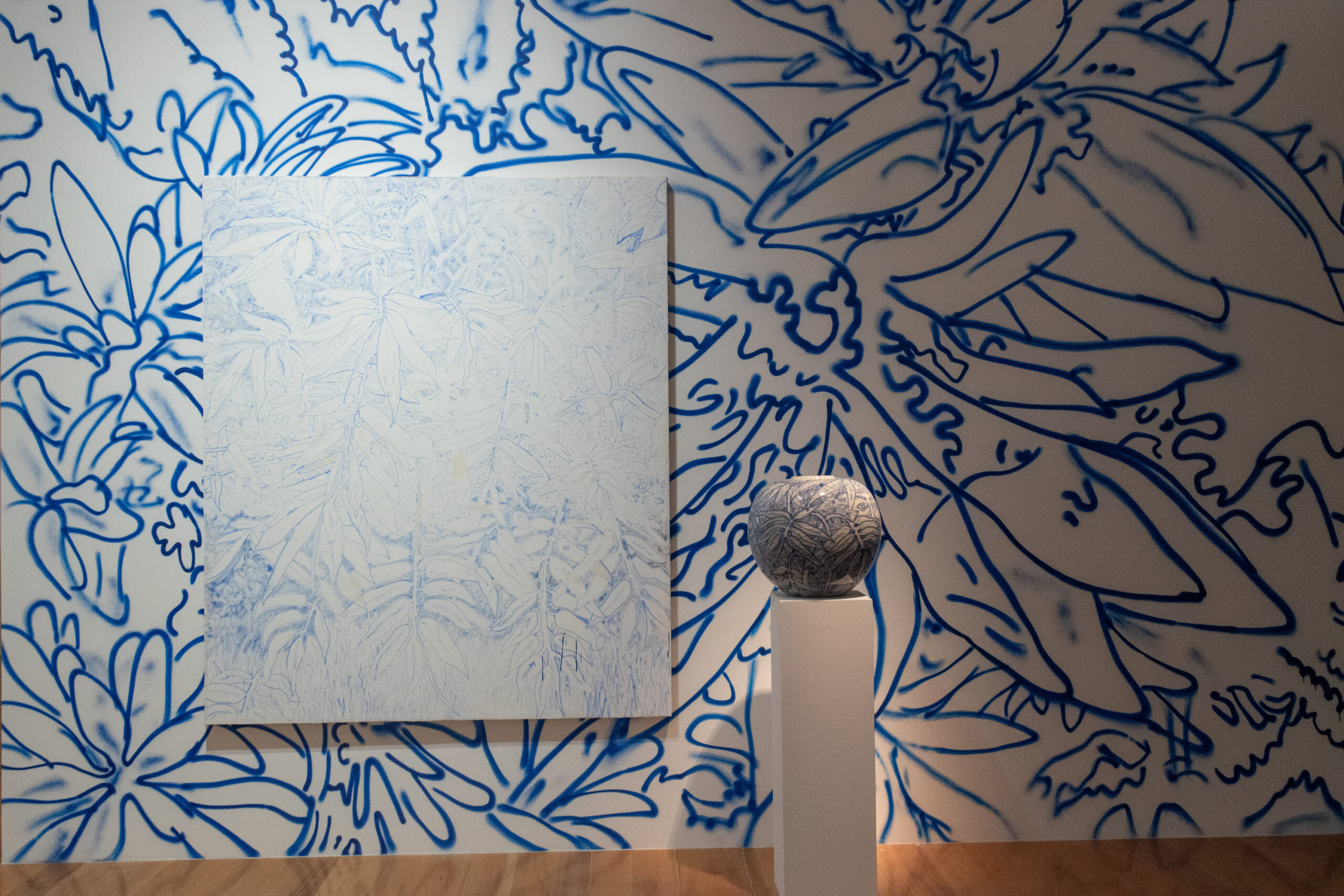
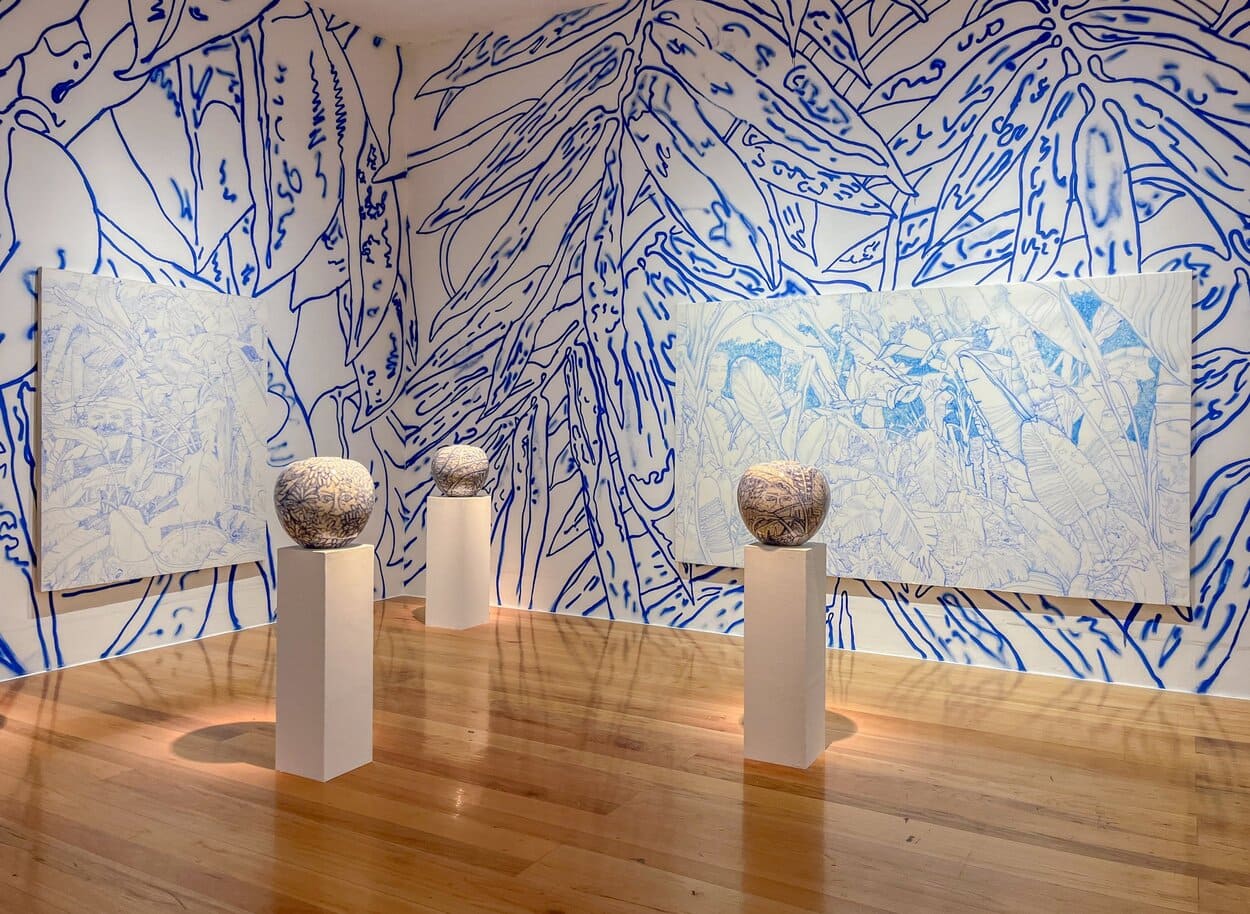
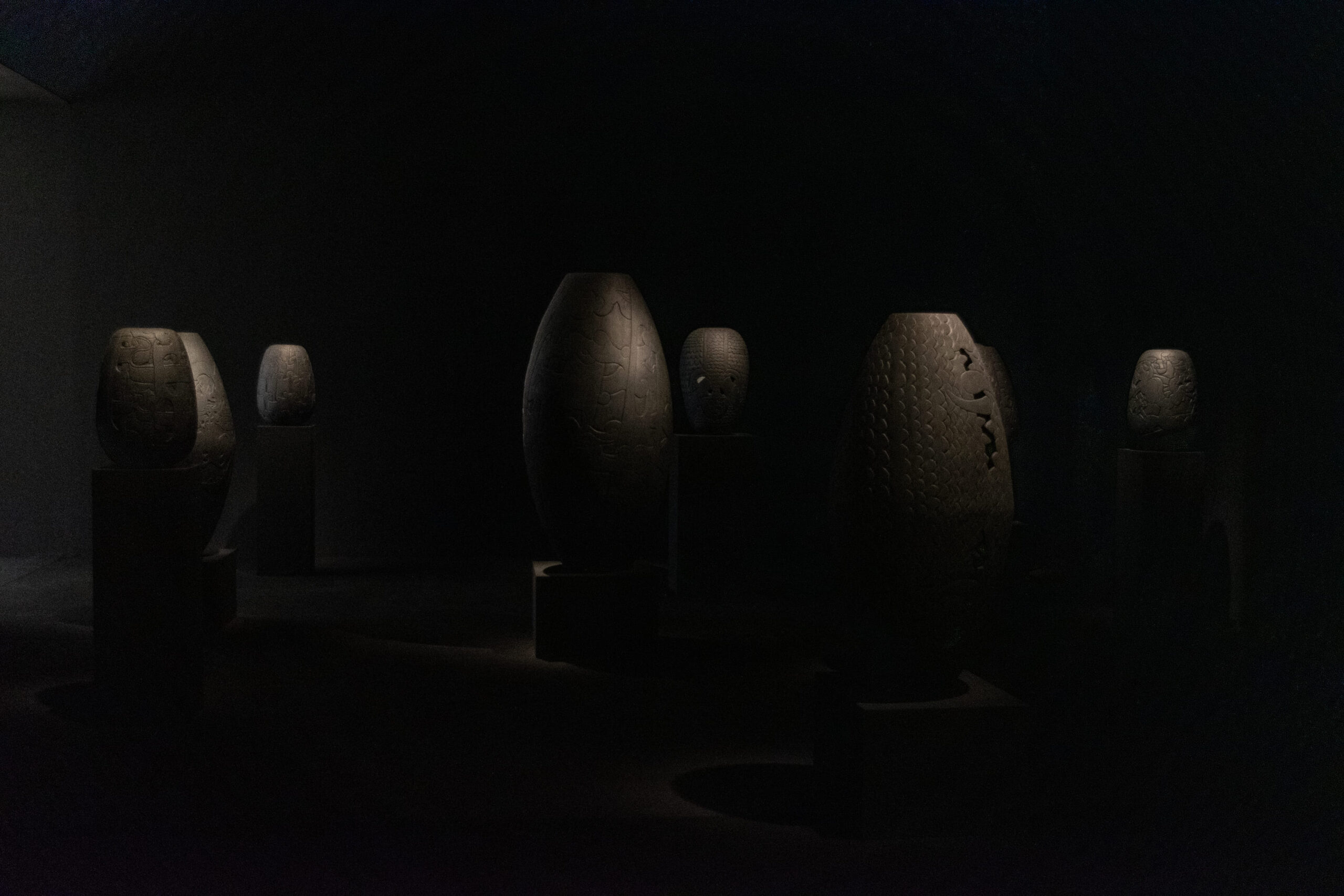
For his part, the American artist Zhivago Duncan reflects on the contesting relationship between order and chaos, recovering an aesthetic that he himself defines as primitive romanticism, which he captures in his ceramic and pictorial work, exploring dichotomous notions between society and nature.
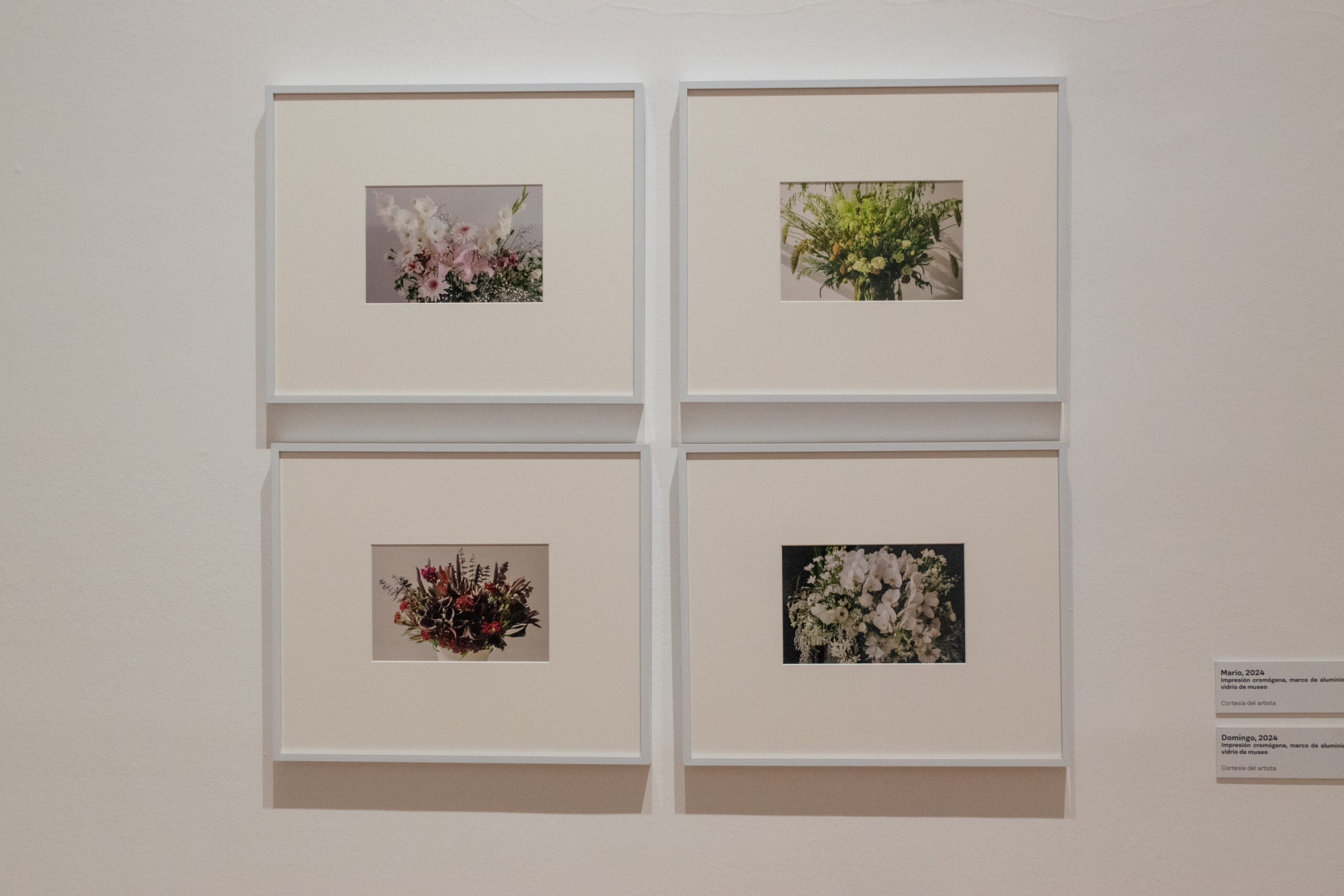
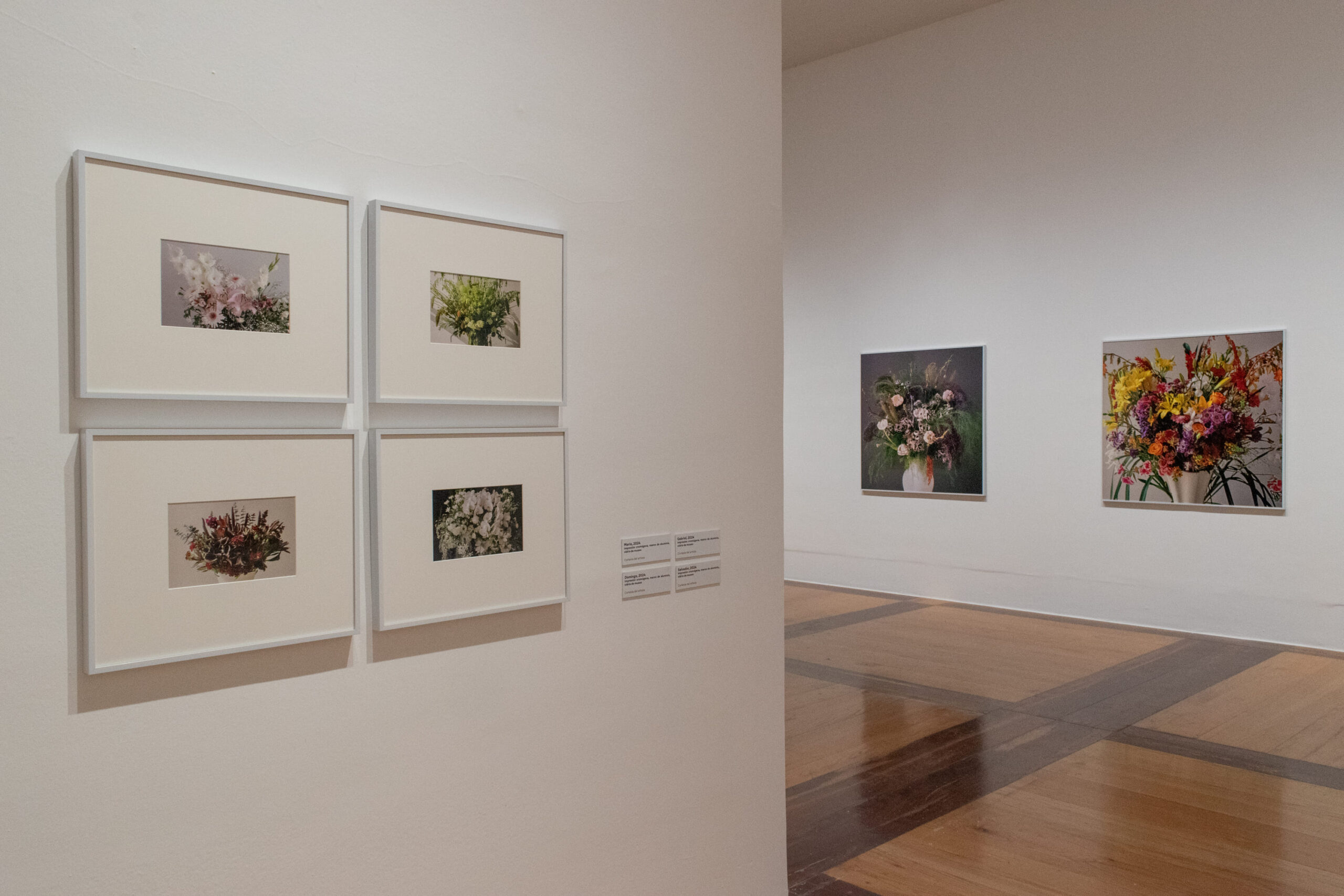
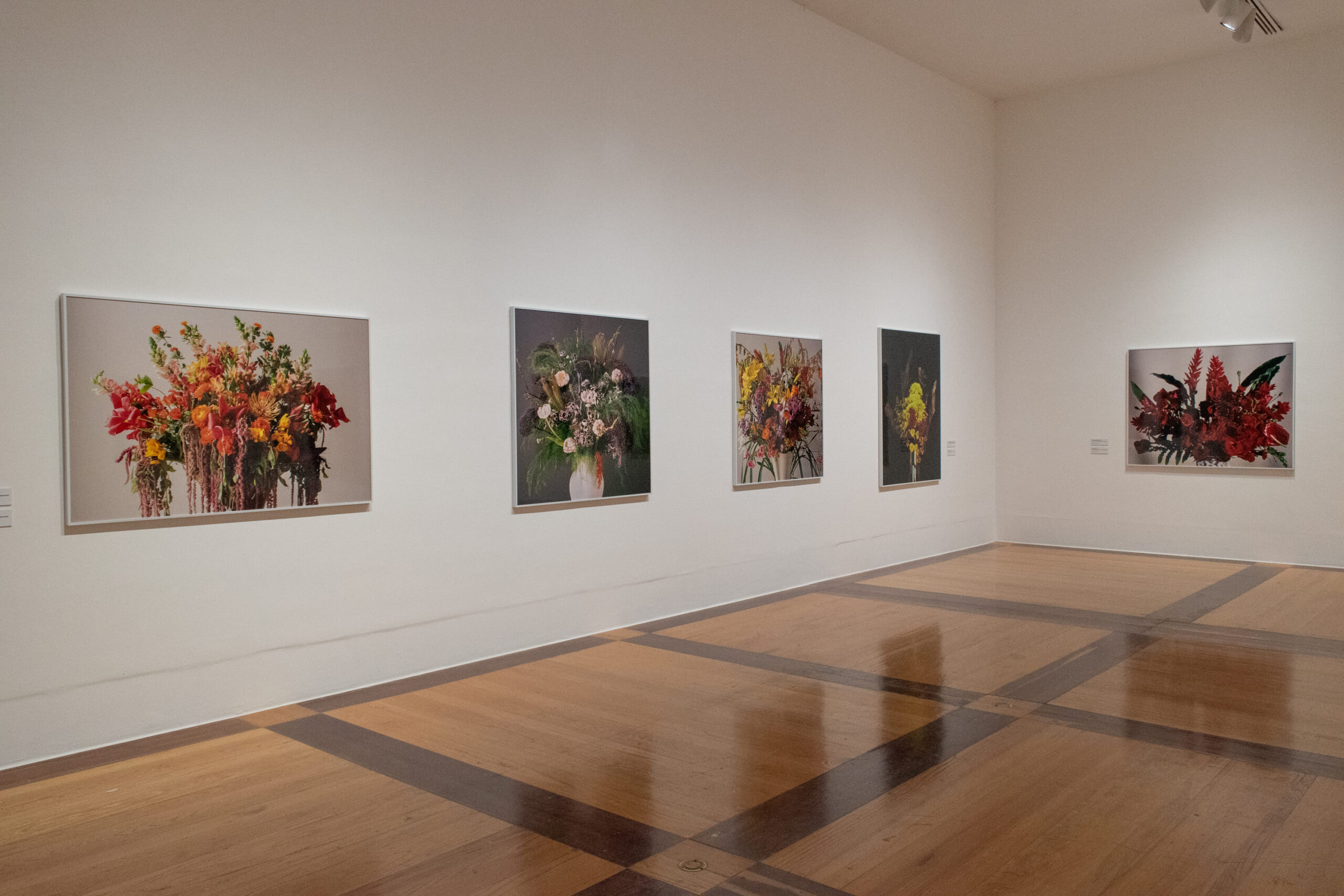
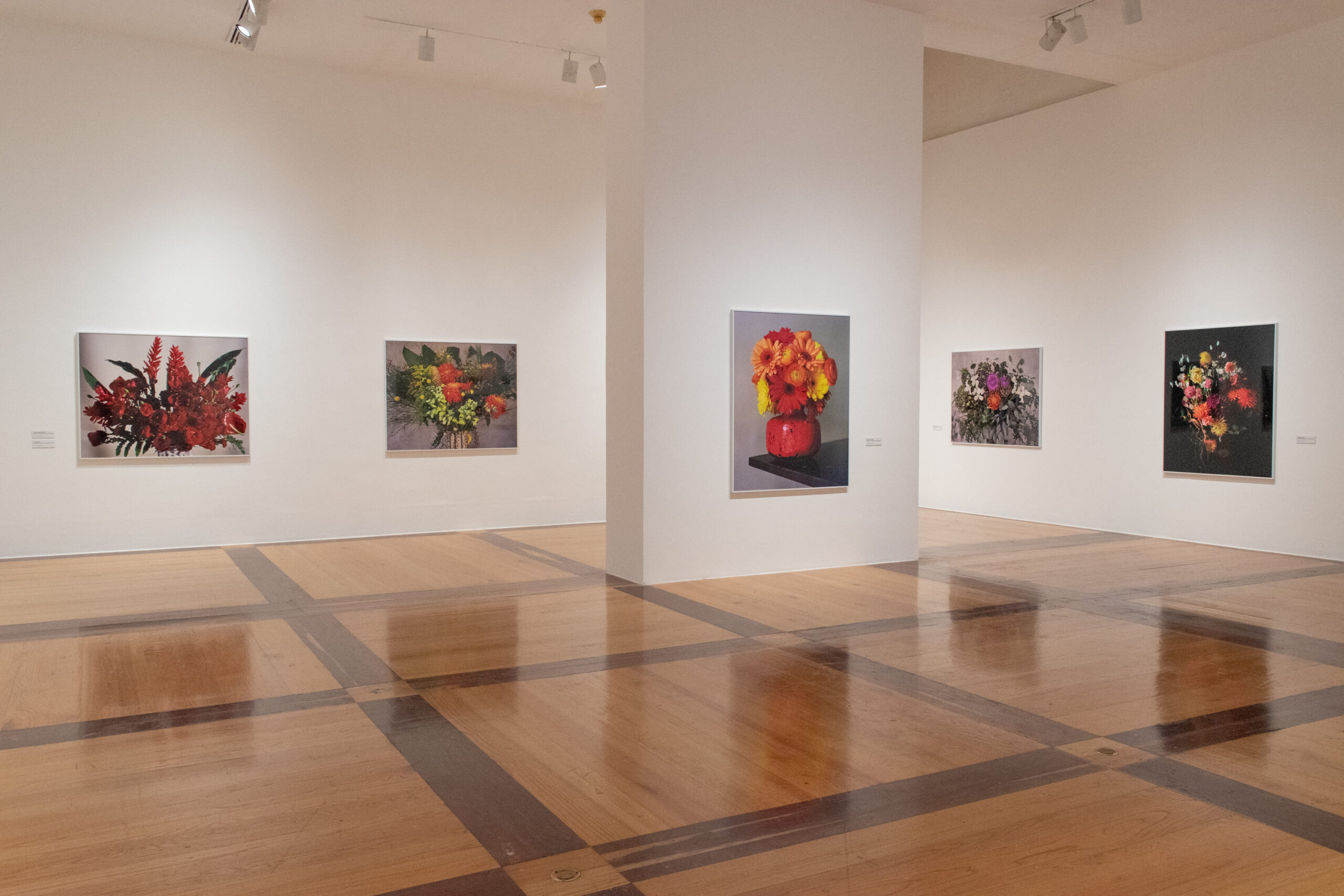
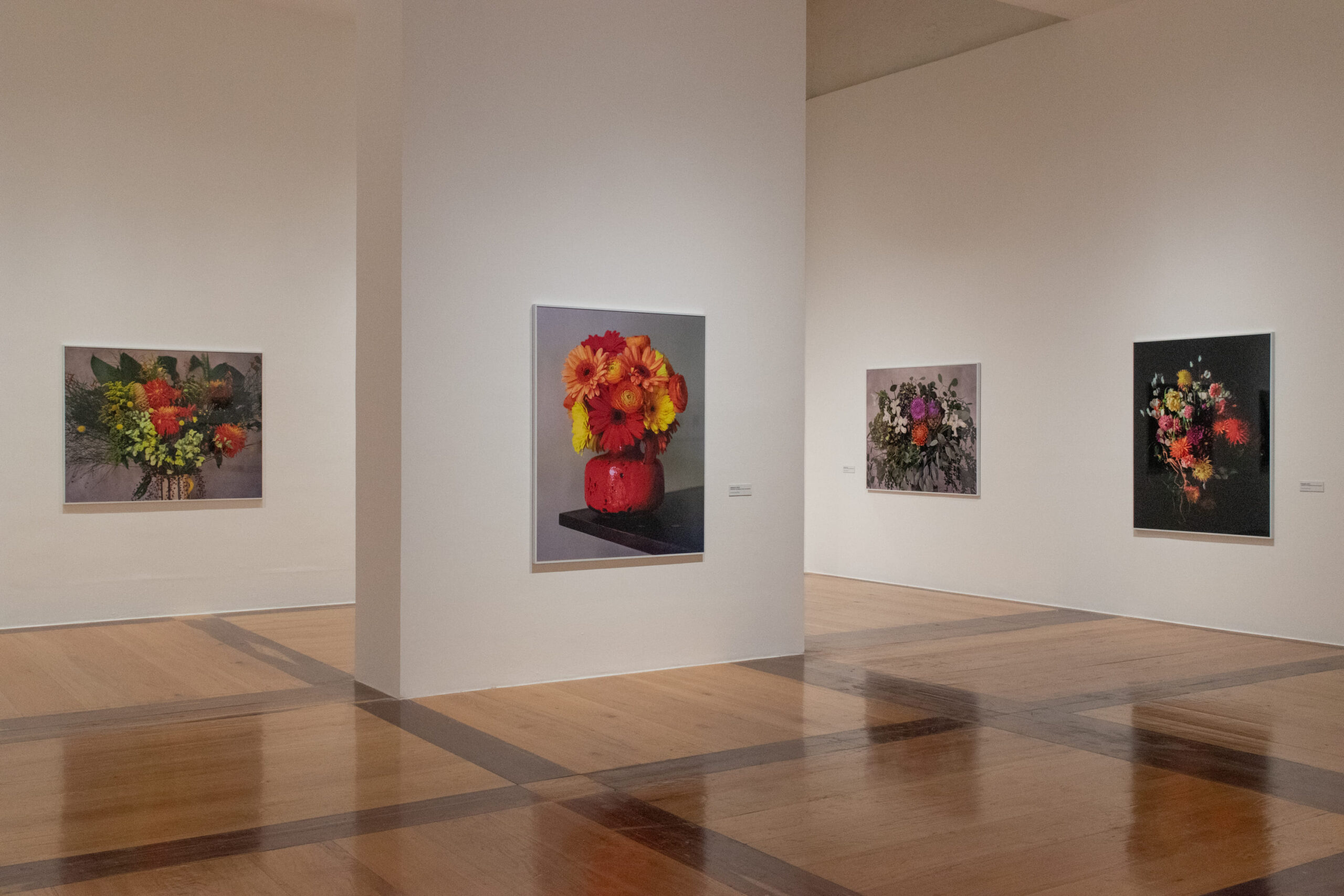
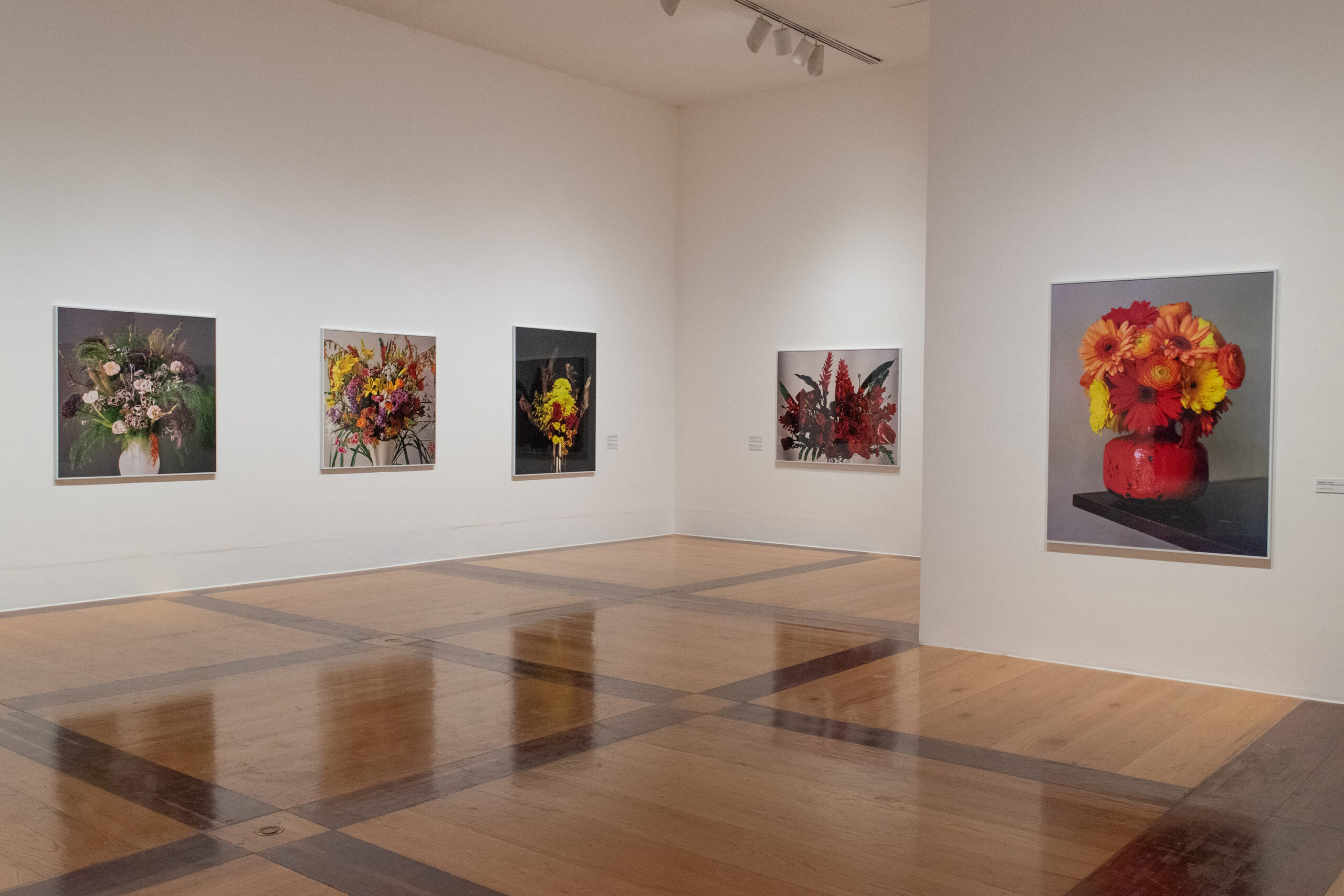
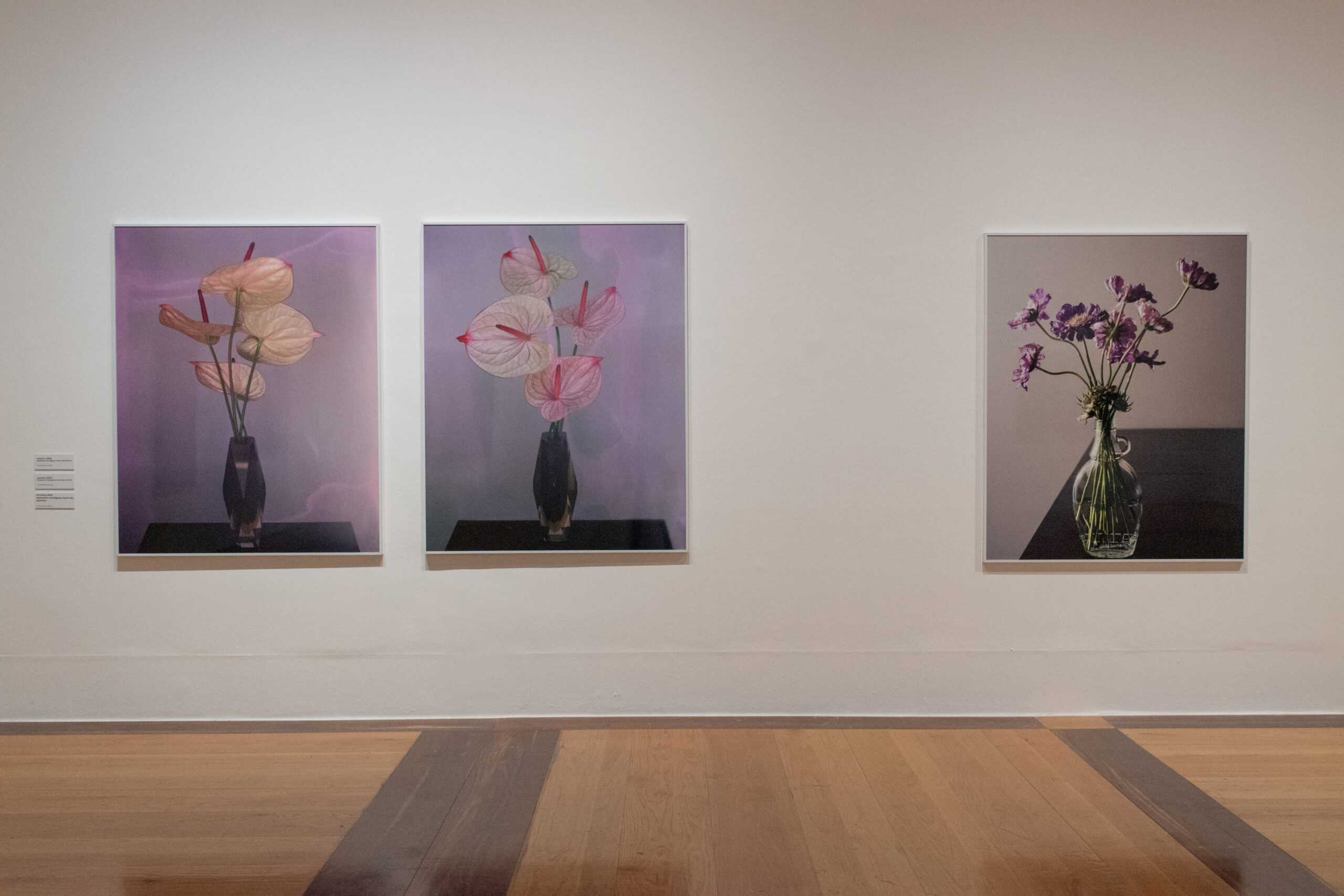
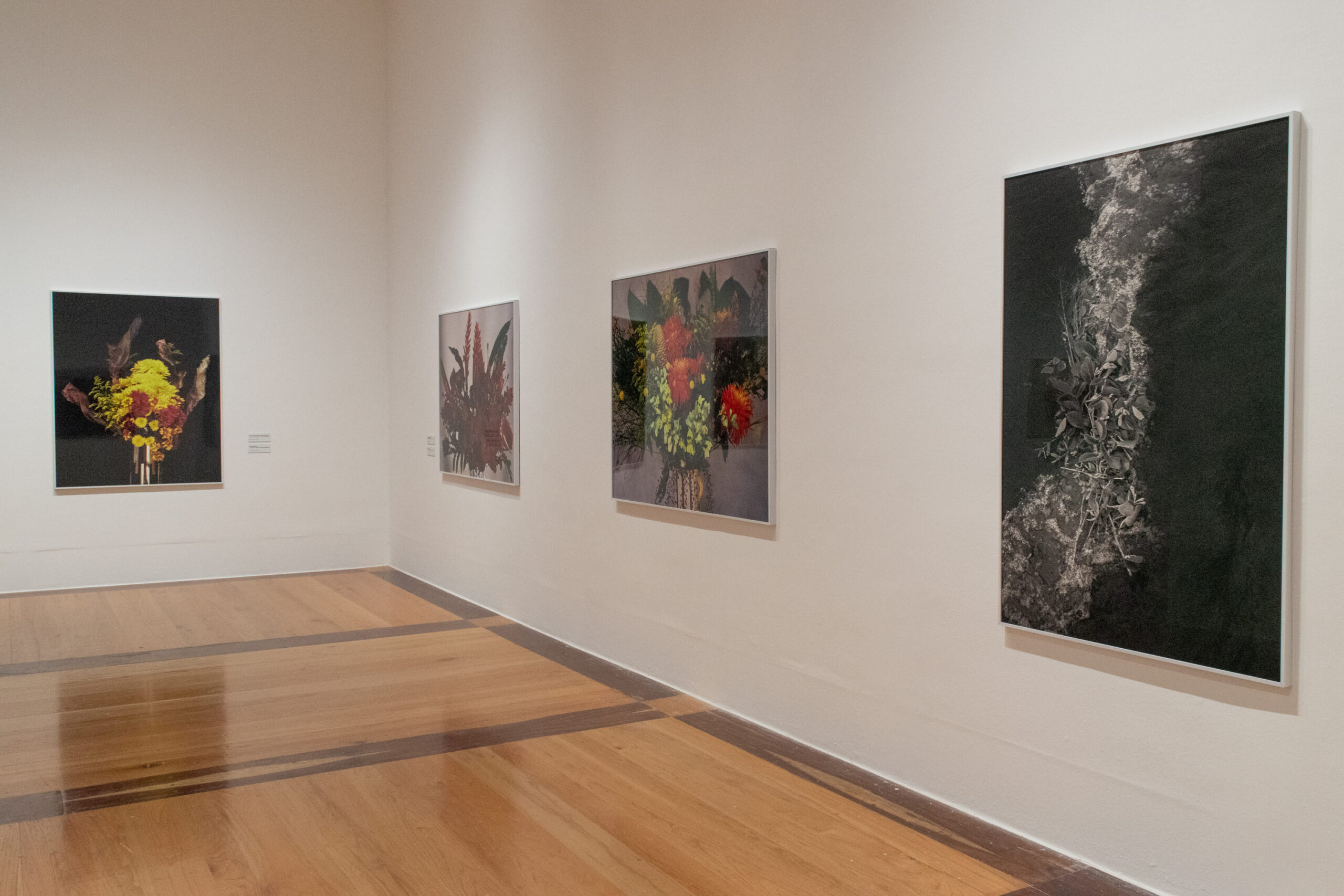
Photographer Omar Gámez presents his series Flores (Flowers) in which he portrays close friends using floral arrangements. The artist, instead of photographing the person, resorts to elaborate compositions that refer to still lifes in a practice, in addition to photographic, performative, where the concepts of identity, body and gender are explored.
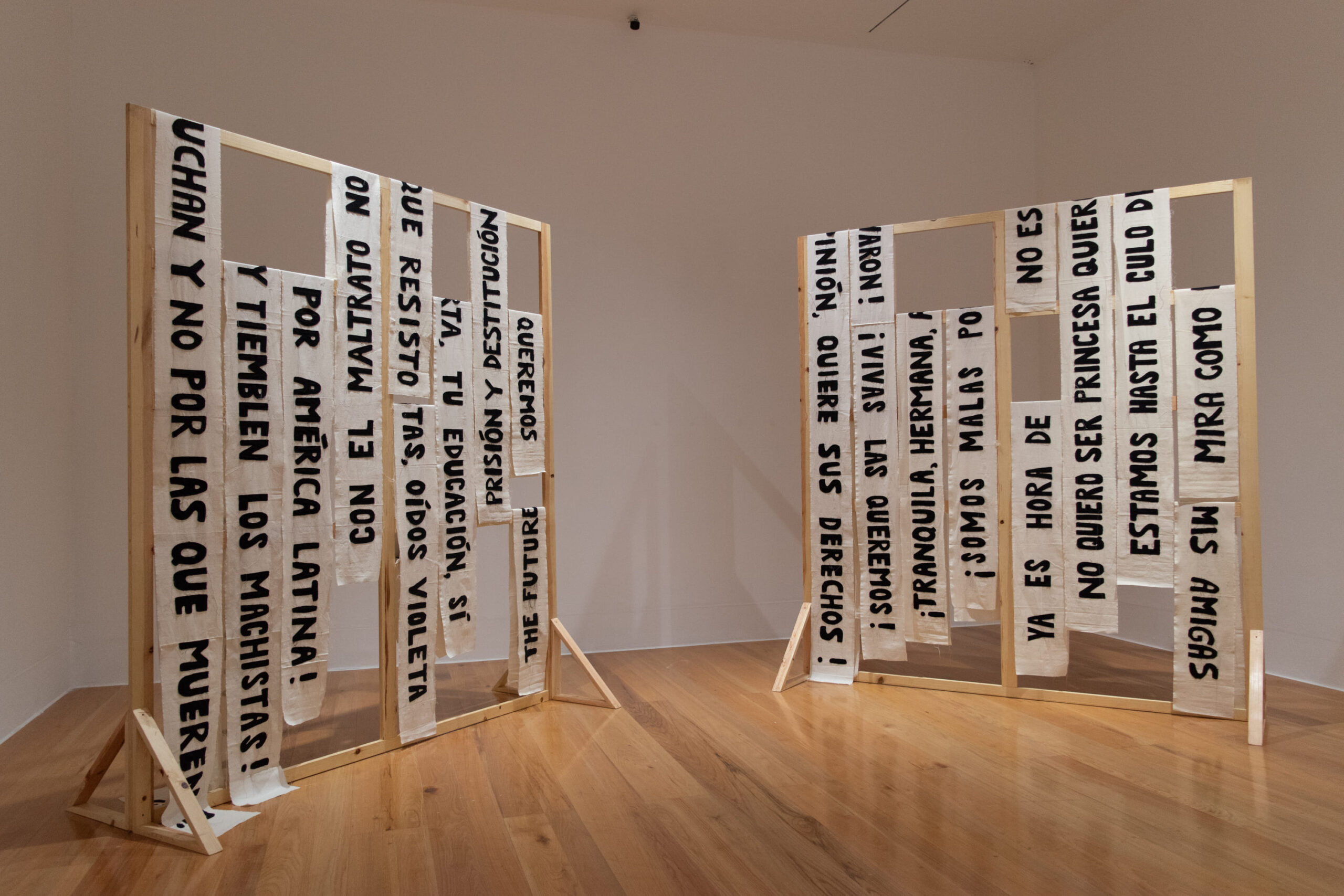
Counterculture brings together the works of Tania Candiani, Zhivago Duncan, and Omar Gámez, three artists who, through transgressive visual practices, challenge established social and artistic norms. The works of these creators propose new forms of resistance through art, questioning conventions related to identity, the body, gender, and nature. In this sense, the exhibition fits within a tradition of subverting established canons, similar to the countercultural movements of the 1960s and 70s, which drove a radical revision of politics, identity, and art.
On the one hand, Gámez’s work deconstructs the traditional portrait through a performative action in which male bodies spill their semen onto floral arrangements created by the portrayed subjects. This action transgresses the genre of the Baroque still life, in which flowers were the central subjects, reconfiguring it by inserting a gaze that involves the intimate and flirts with the sexual while questioning the traditional representation of masculinity.
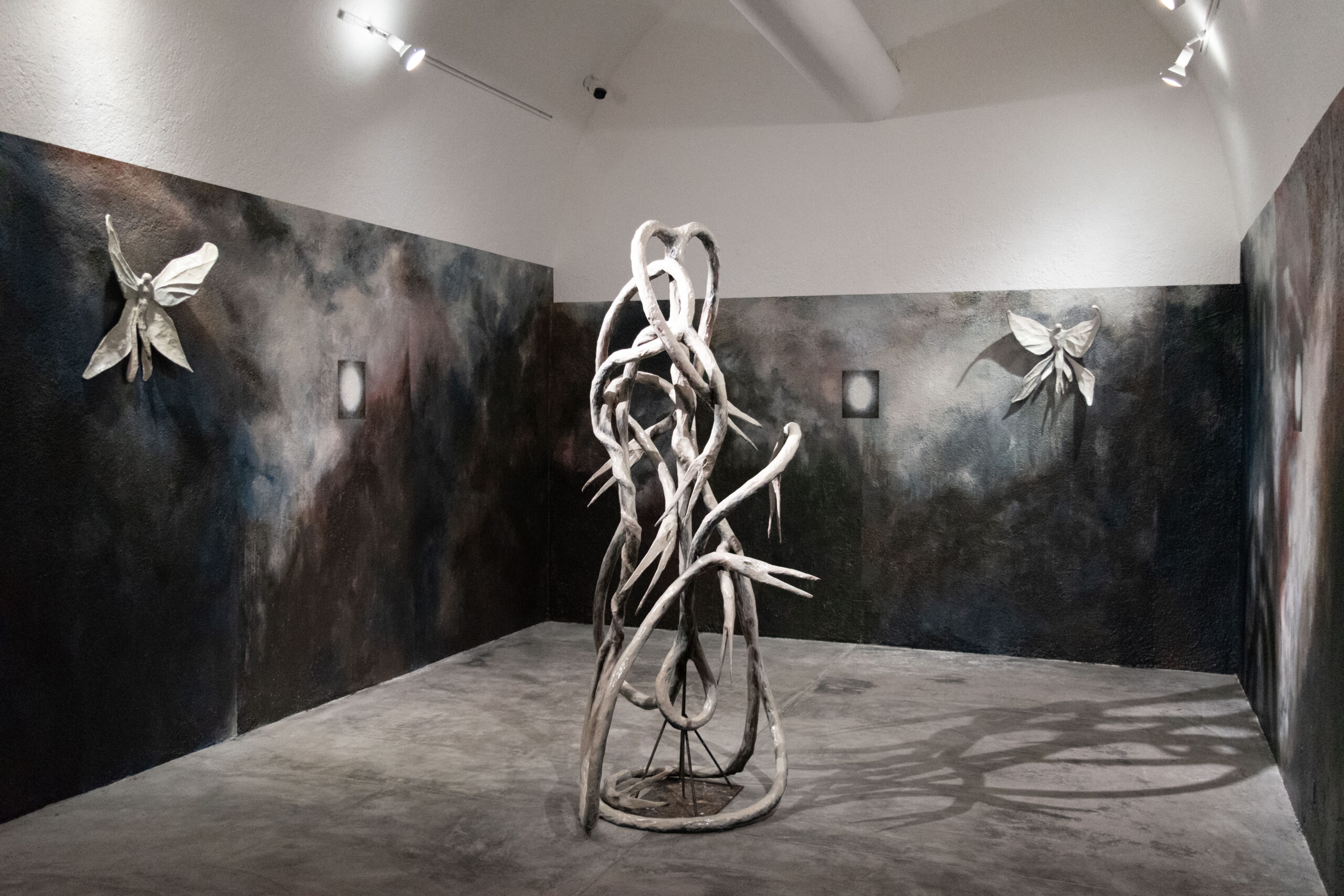
Tania Candiani uses embroidery to depict figures of women in protest based on images from global feminist demonstrations. The embroidered bodies emerge as fierce symbols of opposition, stripped of their original context and claiming their presence in public space. Just like Goya’s Black Paintings, Candiani portrays violence against women. Still, at the same time, she gives power and visibility to these bodies in struggle, turning them into an act of political resistance.
From another perspective, Duncan merges portraiture and nature, creating characters that emerge from the jungle and observe the viewer with primitive, romantic gazes. His work reflects on human consciousness, connecting the micro and the macro in the evolution of life, intertwining the biological and the spiritual.
Countercultures explore forms of questioning, subversion, resistance, and the struggle for a reconfiguration of reality.
Curator: Taiyana Pimentel Paradoa
Curatorial Assistance: Brenda Fernández Villanueva and Mariana Mañón Sepúlveda