Date
From June 26, 2025 to October 31, 2025
Area / Gallery
Espacio uno
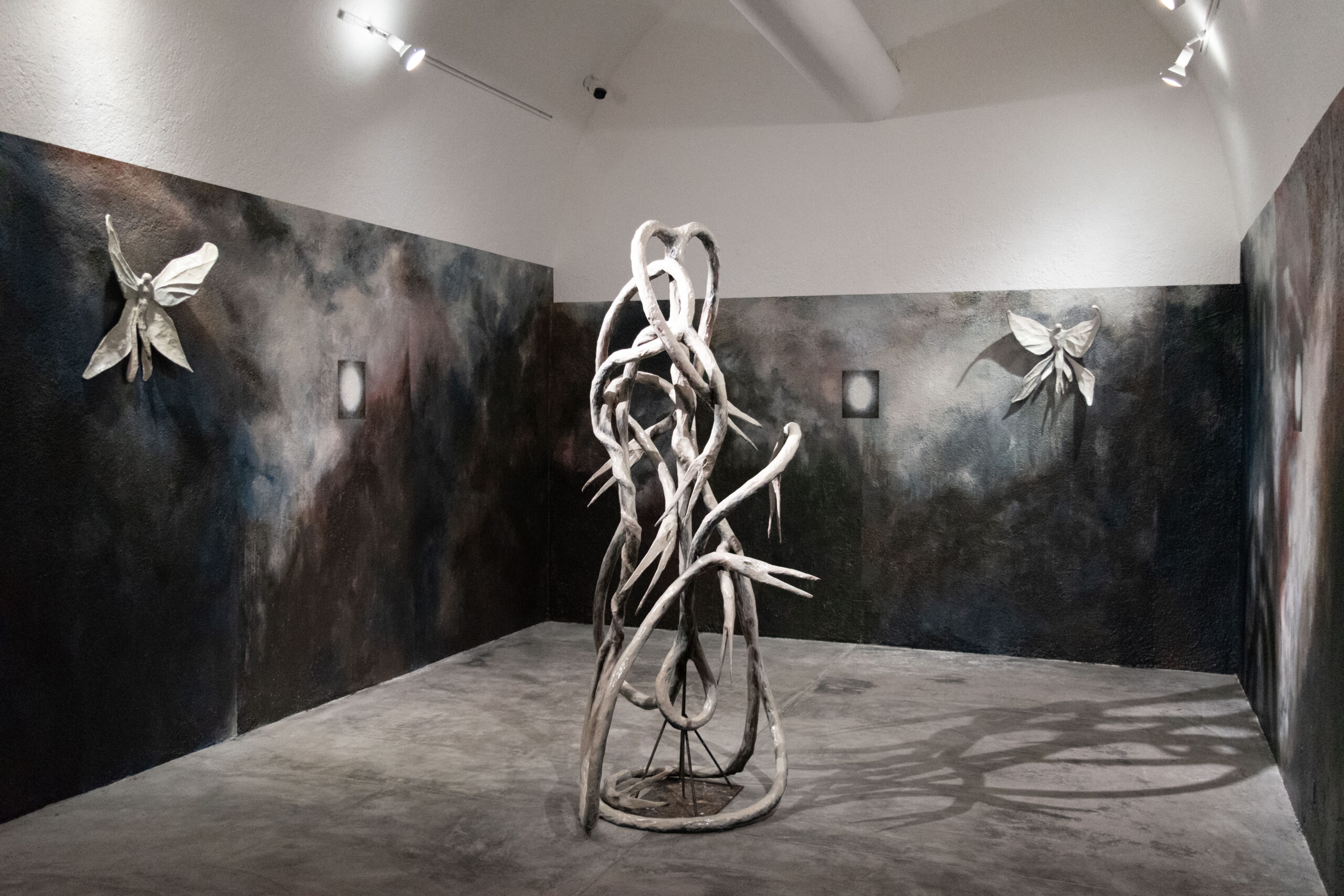
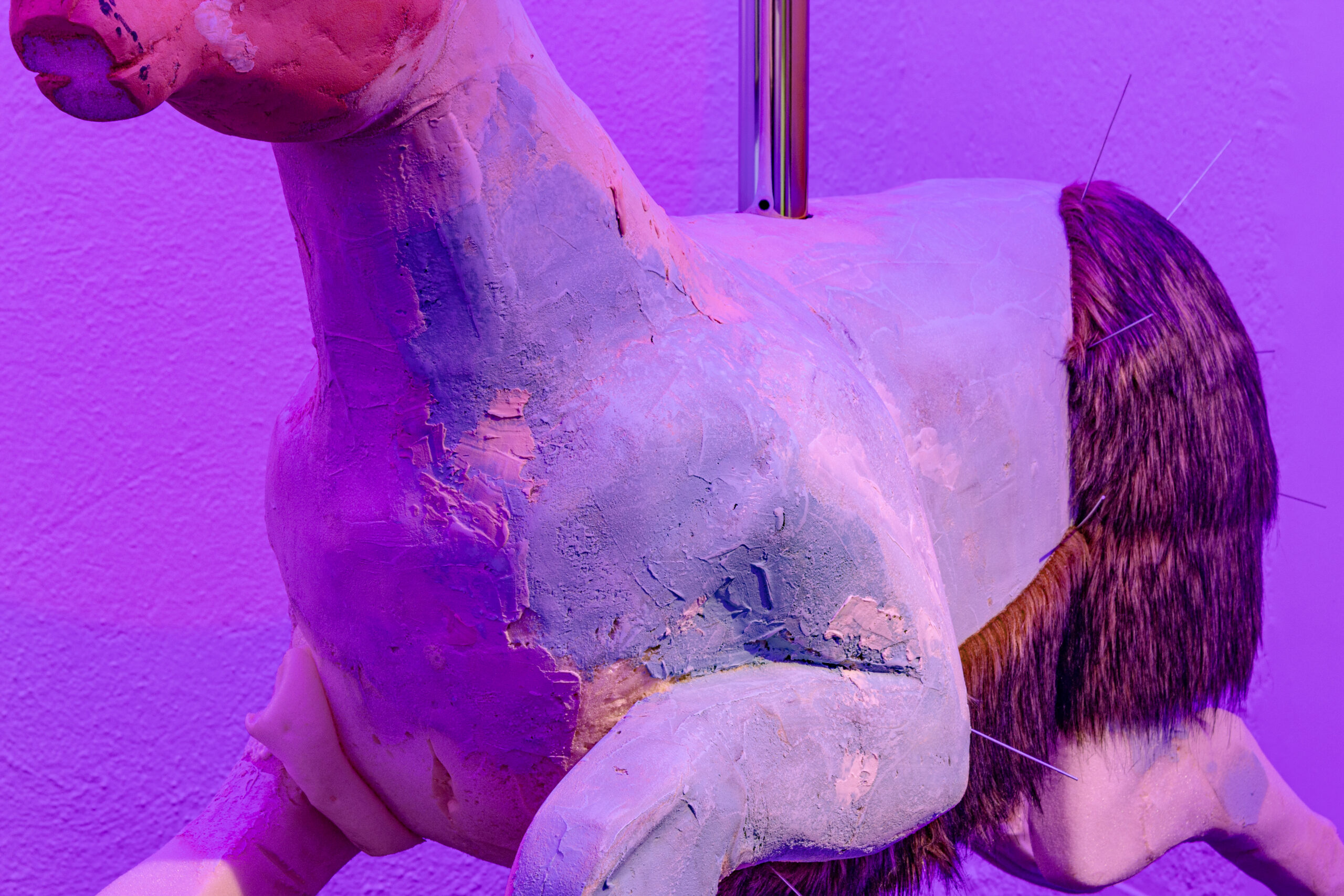
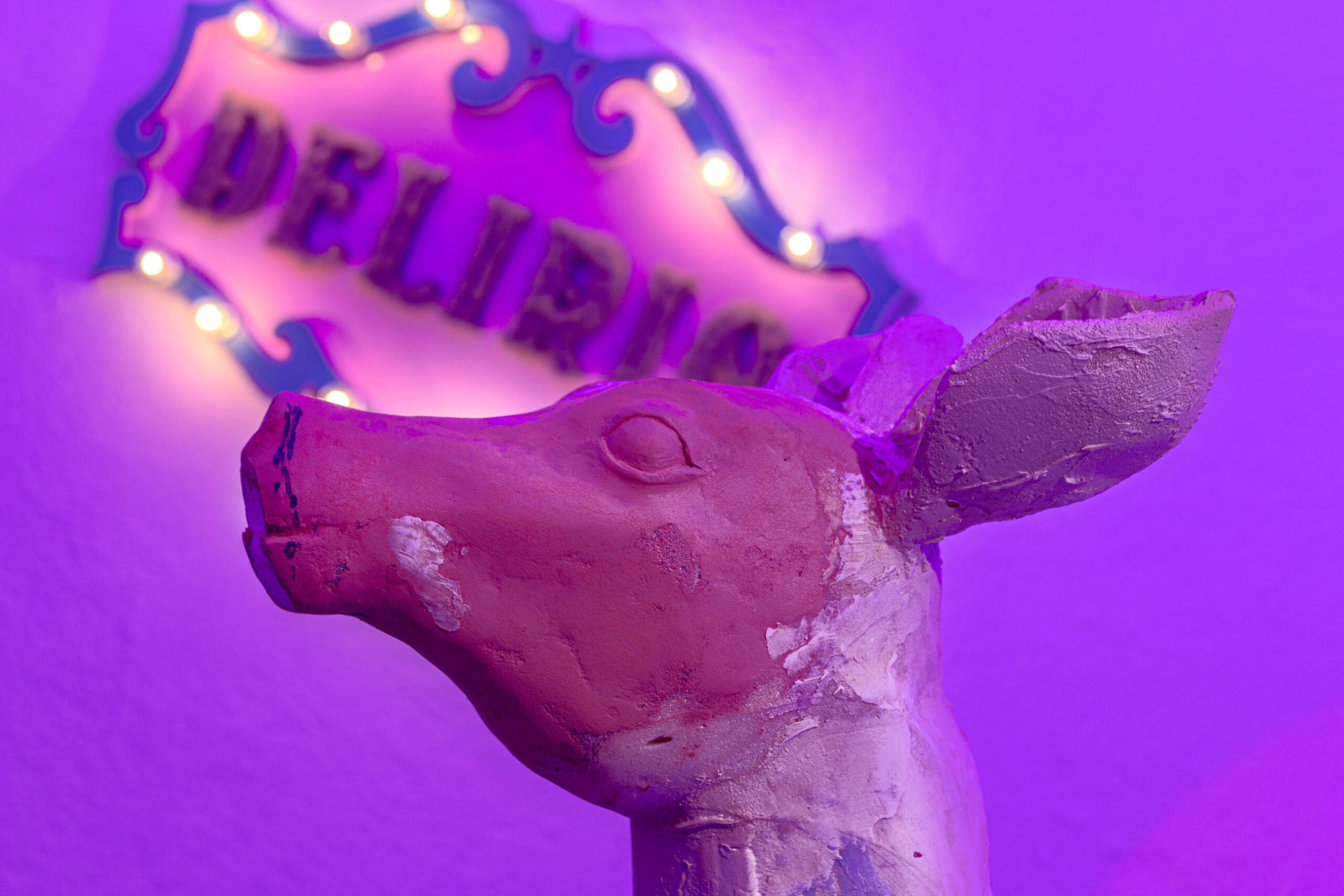
Originally from Guanajuato, artist Cosa Rapozo practically turns Espacio Uno into a carousel with a series of sculptures that take up elements of the traditional fairground attraction, using it as a metaphor for colonialism and symbols of domination. MARCO’s project room brings together a series of works that are part of an investigation by the artist in which she explores the figure of the fairground carousel and its potential to question, through fiction, how animals have been the object of domestication by man, through a dominance of power that historically women have also suffered. The aesthetics of the game are part of a scenario that apparently alludes to playfulness and festivity, but that in the background rethinks the tensions between the human and the wild. The artist seeks that the public can reverse the definition of domestication, and redirect it towards an act of resistance.
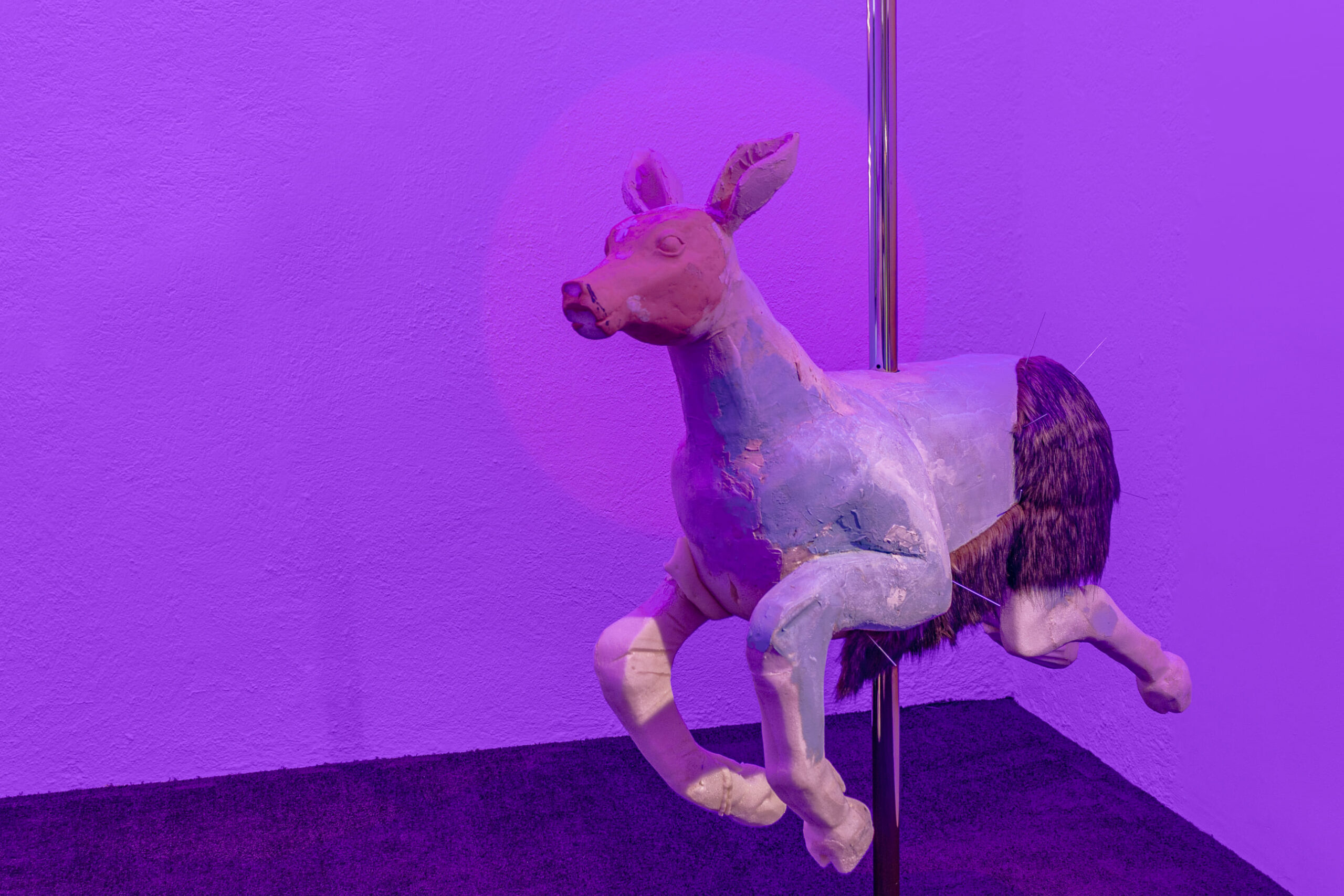
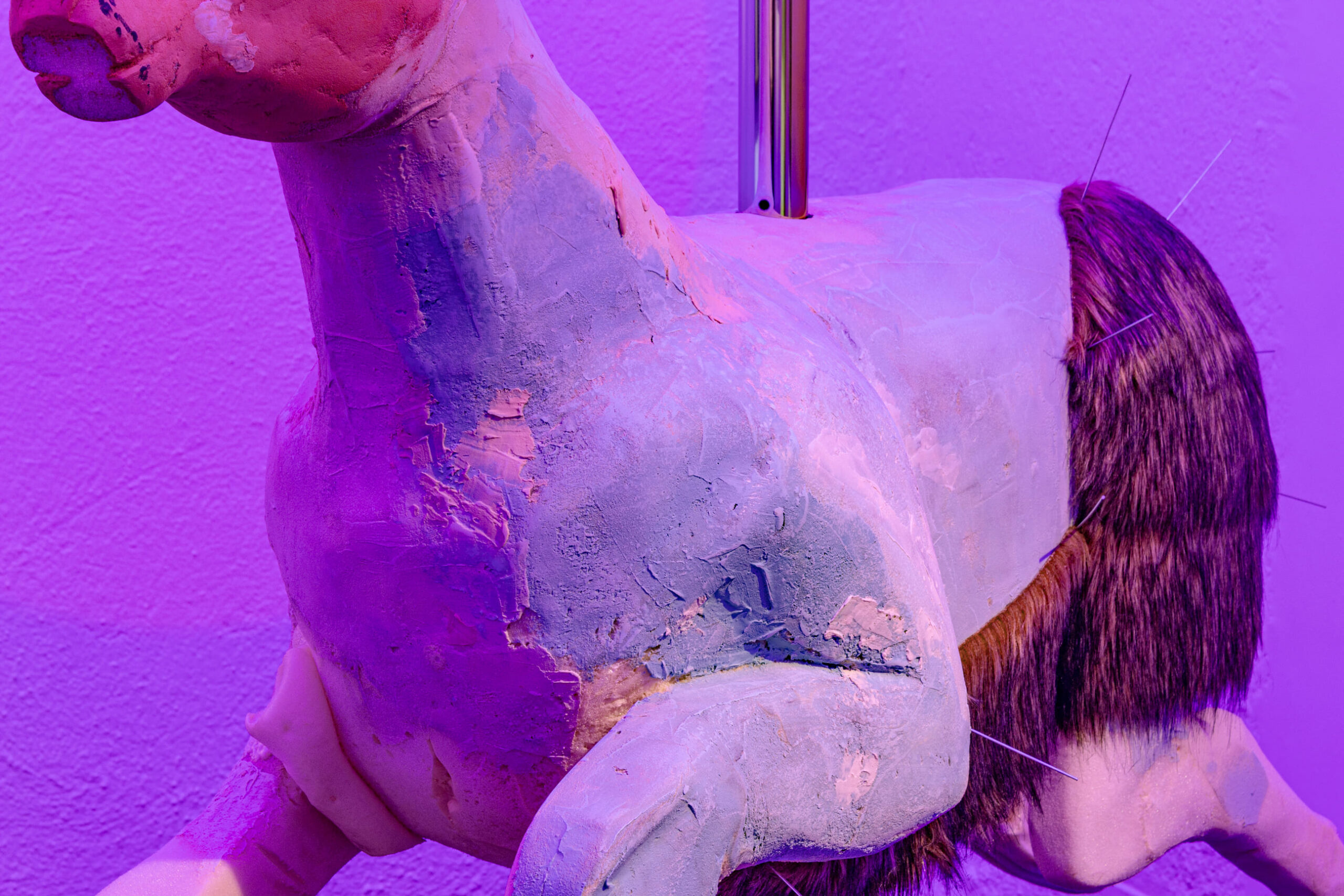
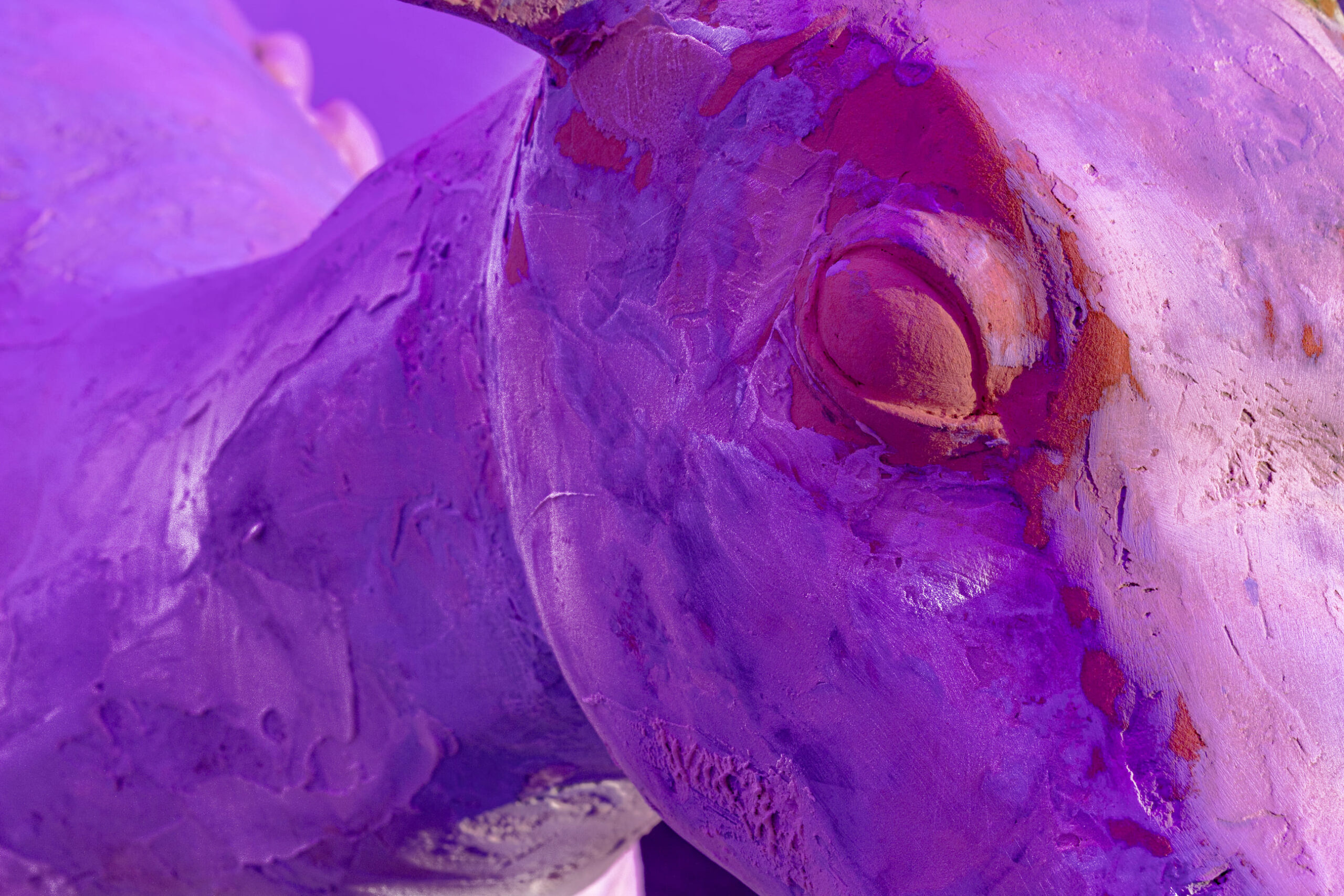
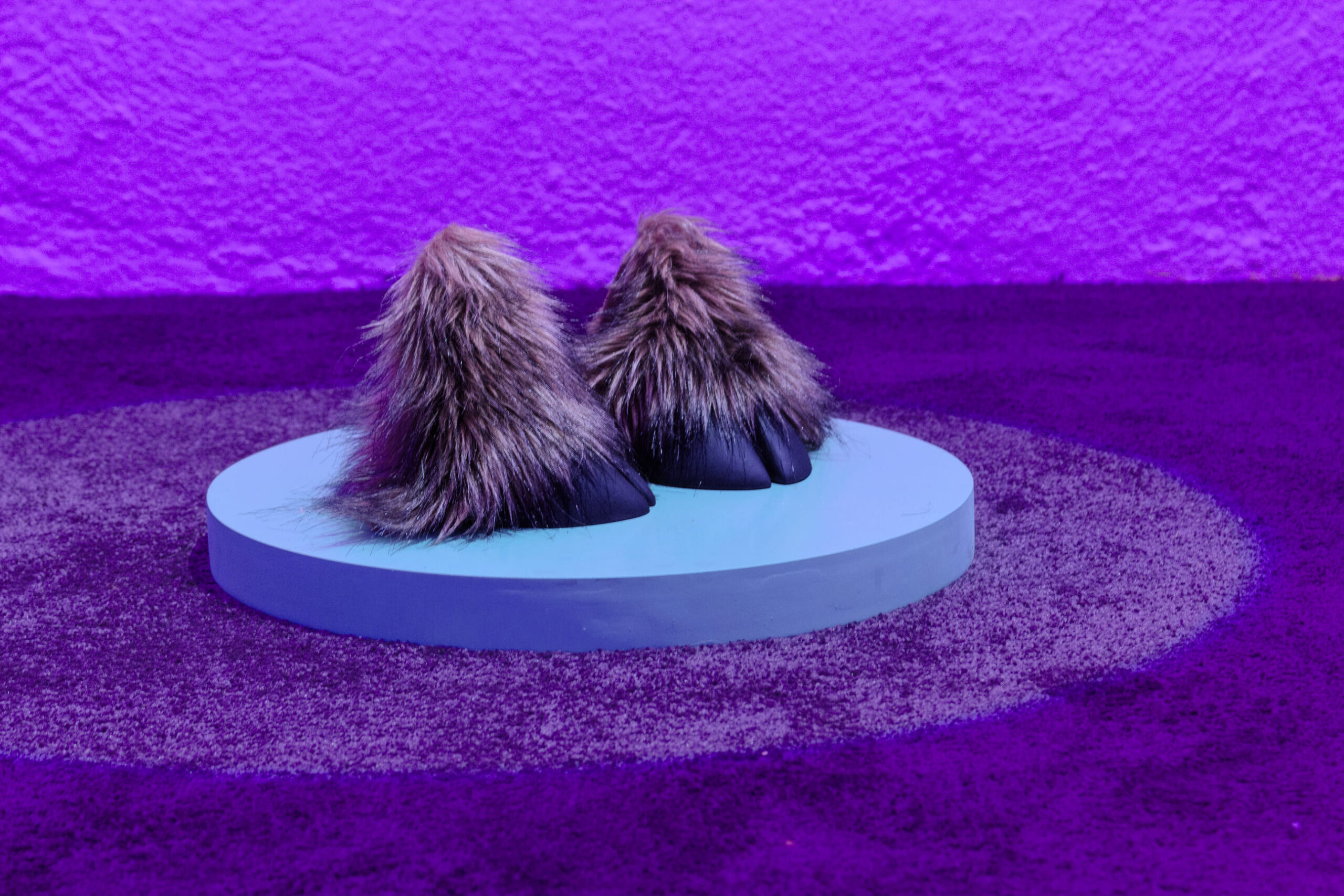
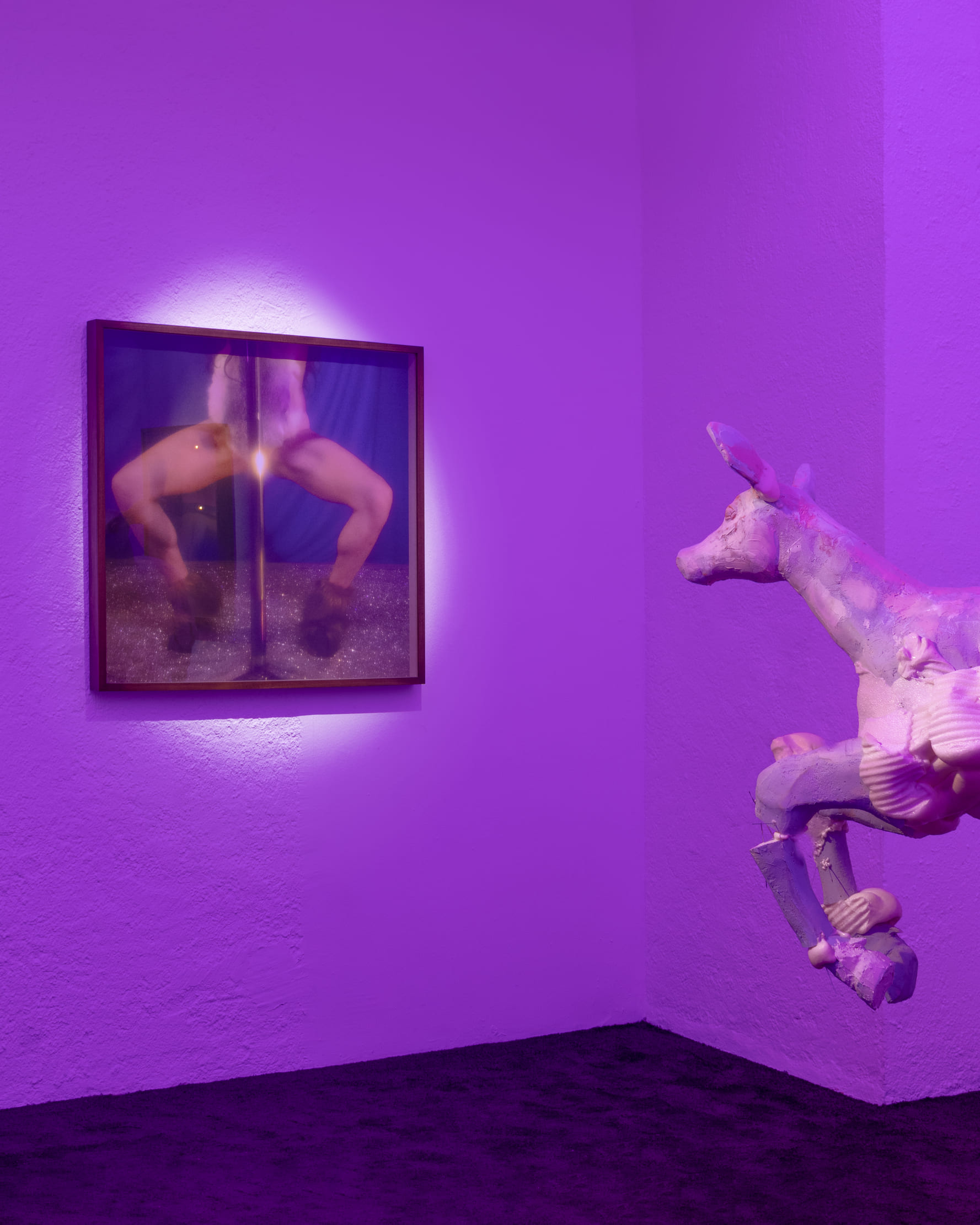
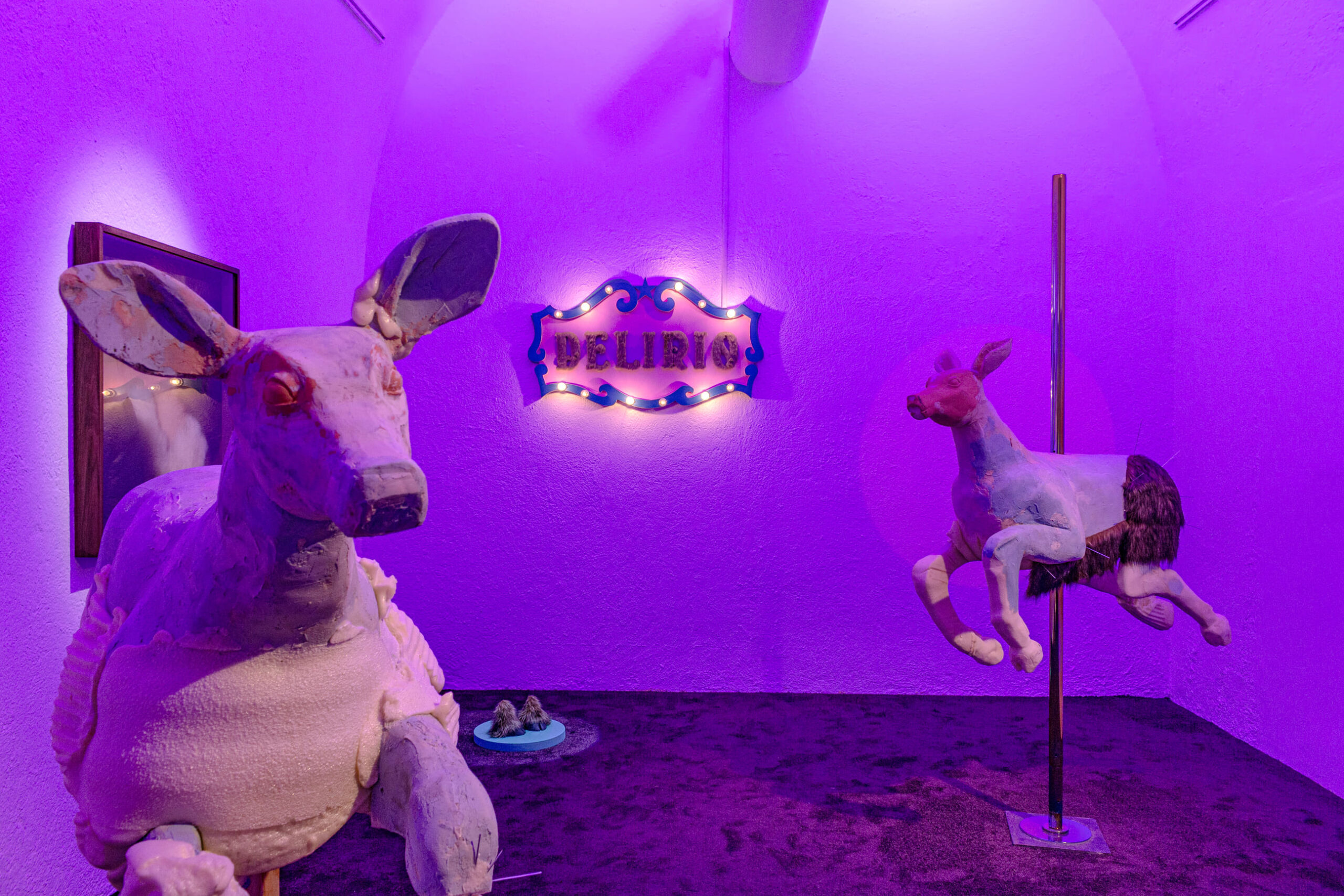
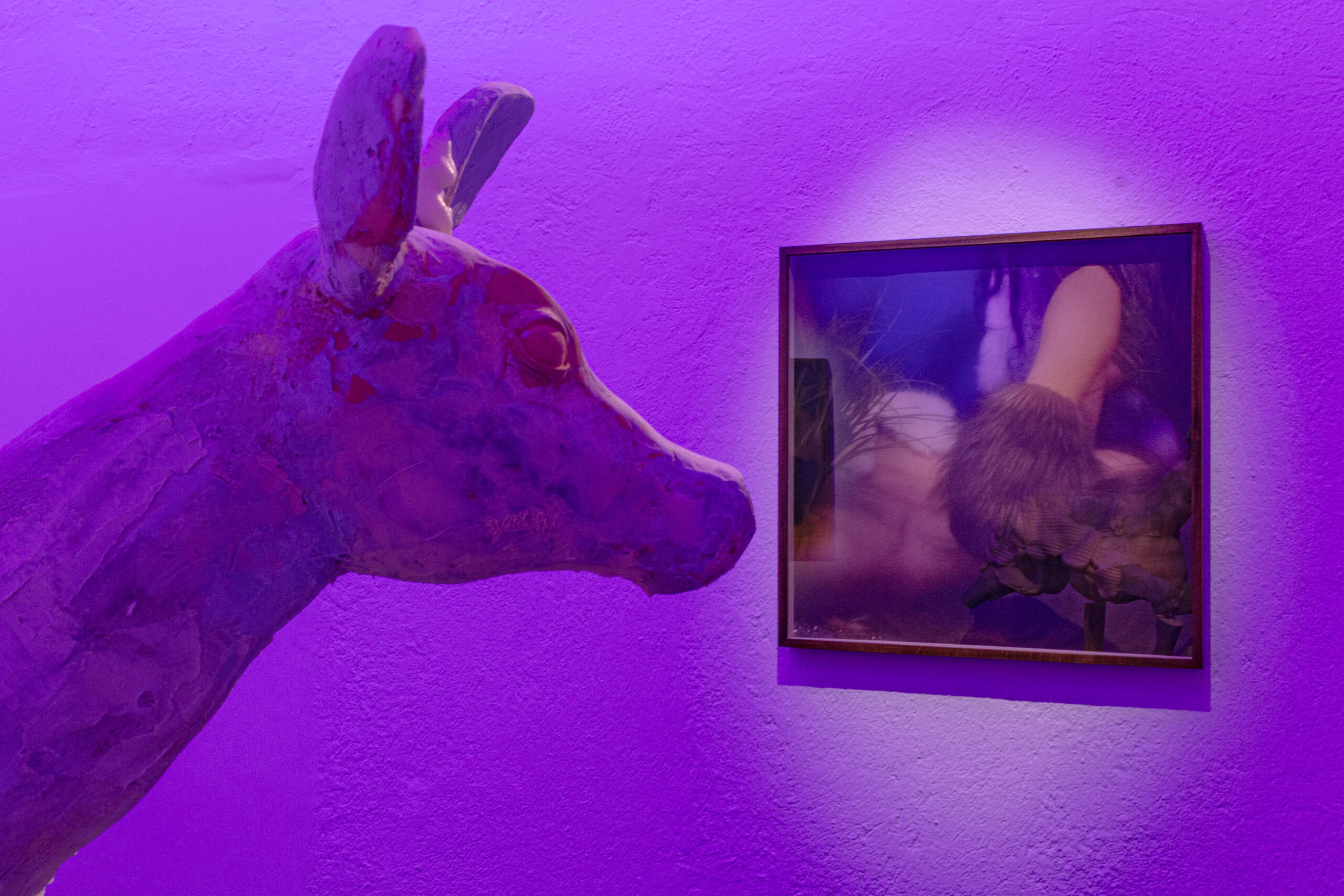
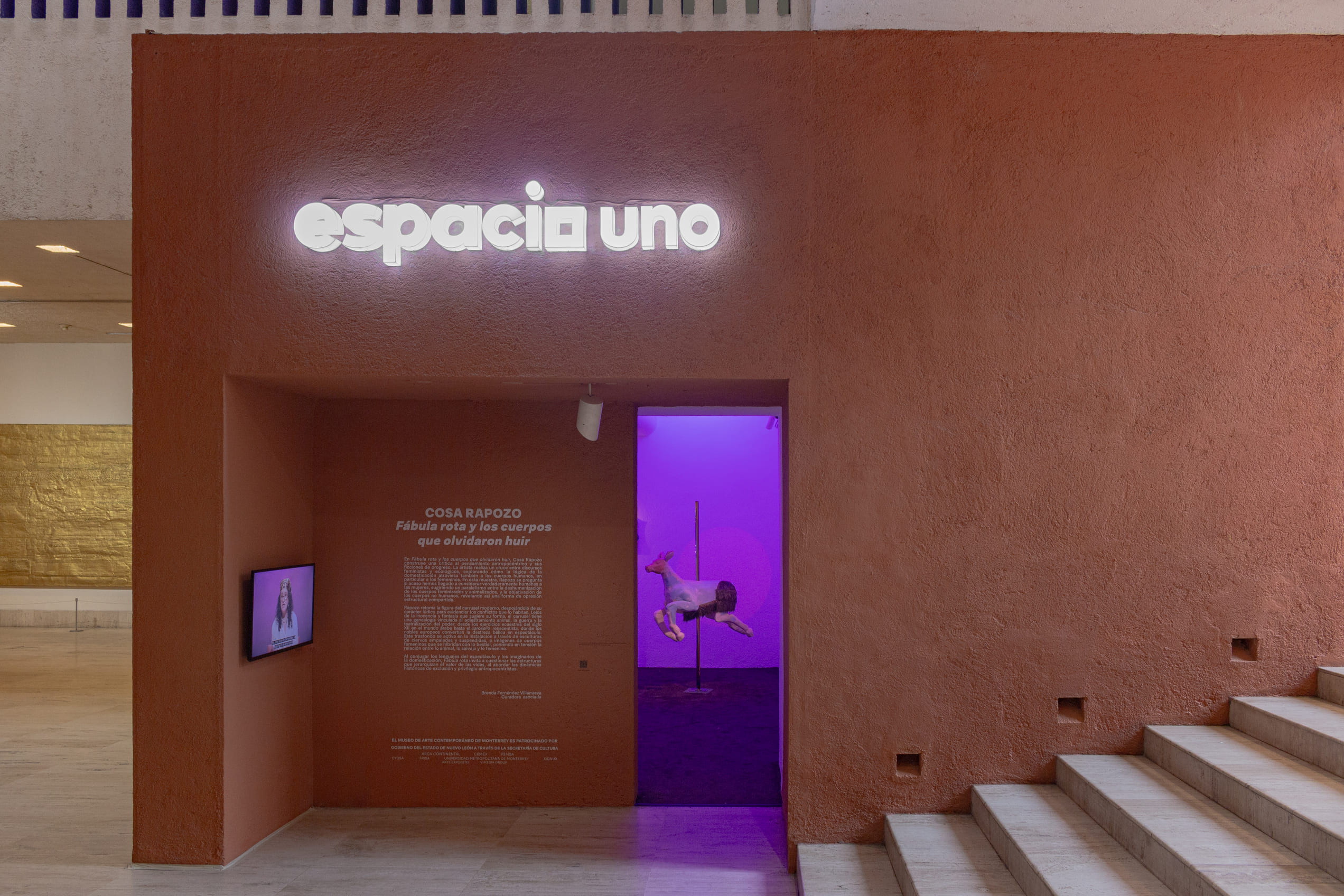
In Broken Fable and the Bodies That Forgot to Flee, Cosa Rapozo builds a critique of anthropocentric thought and its fictions of progress. The artist weaves together feminist and ecological discourses, exploring how the logic of domestication also shapes human bodies, particularly those of women. In this exhibition, Rapozo asks whether we have ever truly considered women to be fully human, drawing a parallel between the dehumanization of feminized and animalized bodies and the objectification of non-human bodies, thereby exposing a shared form of structural oppression.
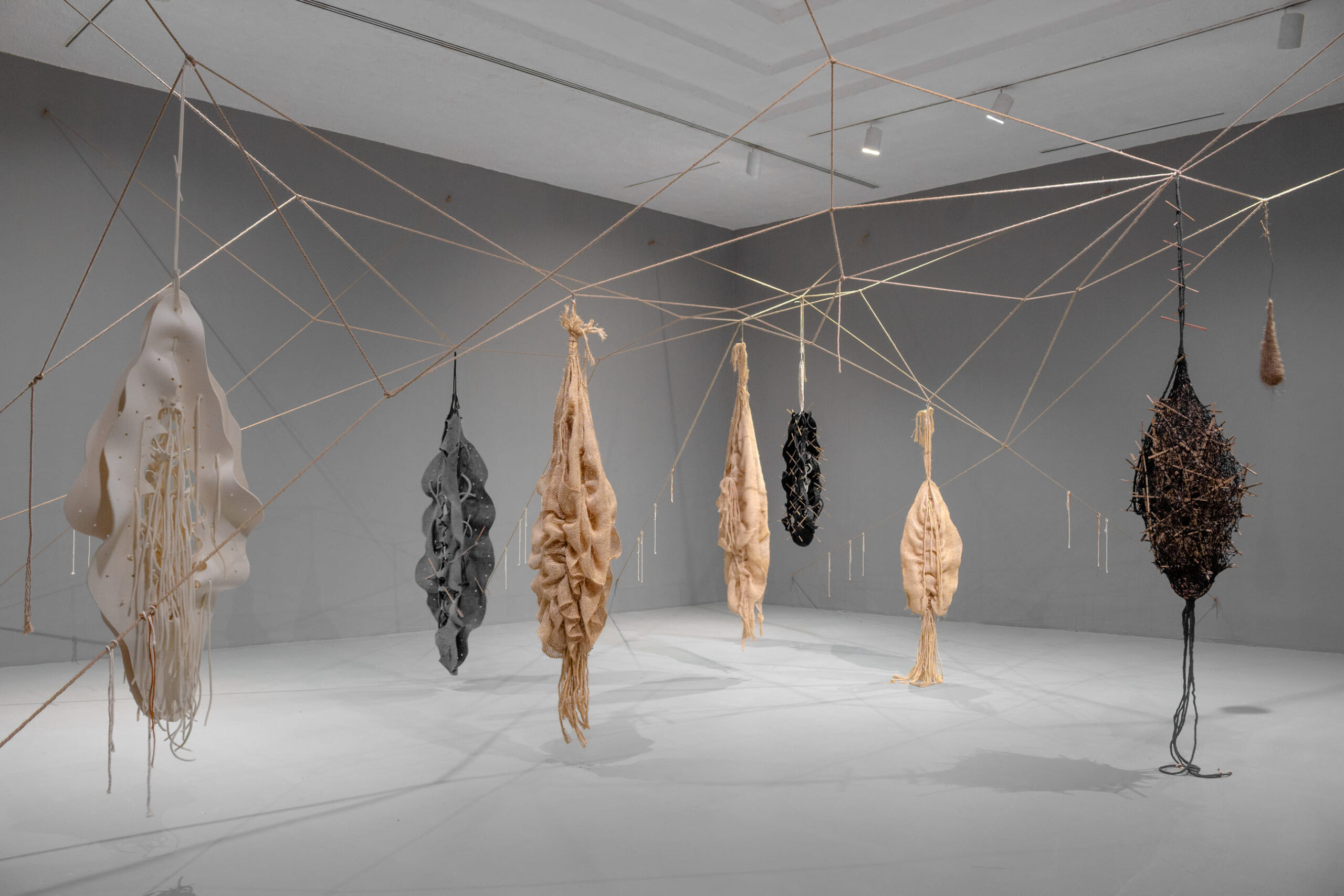
Rapozo revisits the figure of the modern carousel, stripping it of its playful character to reveal the conflicts embedded within. Far from the innocence and fantasy its form suggests, the carousel carries a genealogy linked to animal training, warfare, and the theatricalization of power—from 12th-century equestrian drills in the Arab world to the Renaissance carosello, where European nobles turned military prowess into spectacle. This historical backdrop is evoked in the installation through sculptures of impaled and suspended deer, as well as images of female bodies hybridized with the bestial, placing the relationship between the animal, the wild, and the feminine under tension.
By merging the languages of spectacle with the imaginaries of domestication, Broken Fable invites us to question the structures that hierarchize the value of lives as it addresses the historical dynamics of anthropocentric exclusion and privilege.
Brenda Fernández Villanueva
Associate Curator